Humanitarian work is often associated with moments of crisis: when disasters strike, displacement occurs, or communities need urgent assistance. Yet much of the work that makes humanitarian action effective happens long before and long after those moments. It involves building partnerships, strengthening local capacity, sustaining essential services, and learning from each experience to better prepare for what comes next.
Between April and June 2026, YCWS continued this work across refugee protection, disaster risk reduction, emergency response, and partnerships, while laying the groundwork for new initiatives that will carry forward in the months ahead.
Sustaining Protection, Building Resilience
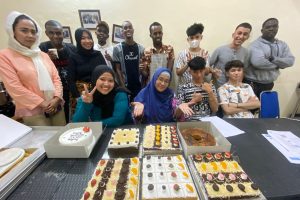
On the refugee protection front, YCWS secured continued funding from the United Nations High Commissioner for Refugees (UNHCR) to extend the PURE project through December 2026. The additional support enables YCWS to continue providing protection services for refugees and asylum seekers at a time when humanitarian needs remain significant and funding constraints continue to affect refugee responses globally.
The extension also reflects a shared commitment between YCWS and UNHCR to ensure that essential support remains accessible for the remainder of the year.
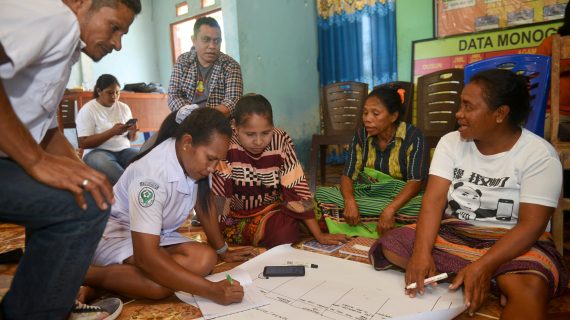
In disaster risk reduction, June marked the completion of the CLEAR project in Makassar, funded by the Australian Government through Act for Peace Australia. Throughout the project, YCWS and Yayasan INANTA worked with communities to strengthen preparedness through risk assessments, community action plans, contingency planning, anticipatory action protocols, and locally led climate adaptation initiatives. By the end of the project, CLEAR had reached 3,373 direct participants across four urban villages.
At the same time, the Japan International Cooperation Agency (JICA) funded I-CREATE project, implemented through CWS Japan, entered its second year in Malaka, East Nusa Tenggara, expanding inclusive disaster risk reduction and early warning activities across all 13 target villages. Together, these two programs reflect what YCWS has consistently argued: resilience is not built through single interventions, but through sustained engagement with communities over time.
New Programming and Emergency Response
Looking ahead, YCWS secured the BASUDARA project, a new two-year initiative funded by the Australian Government through Act for Peace Australia, beginning July 2026. Implemented in partnership with Yayasan Sagu Salempeng in Ambon and Central Maluku, BASUDARA brings together peacebuilding, disaster risk reduction, and livelihood support within a single program — reflecting the reality that in conflict-affected and disaster-prone communities, these challenges rarely arrive separately.
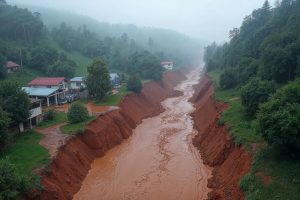
When the earthquake struck Sigi, Central Sulawesi, in June 2026, YCWS and Persekutuan Pelayanan Kristen untuk Kesehatan Indonesia (PELKESI) secured funding through the ACT Rapid Response Fund to support 800 affected households. Under the partnership, YCWS leads the overall response and multi-purpose cash assistance component, while PELKESI provides health and psychosocial support.
This marks YCWS’s first implementation of an ACT Rapid Response Fund project, providing important firsthand experience with the ACT Humanitarian Mechanism and strengthening YCWS’s capacity to respond to future emergencies through the same framework.
Strengthening Local Capacity and Sector Engagement
Partnerships remained central to YCWS’s work throughout the quarter. In collaboration with the Communion of Churches in Indonesia (PGI), YCWS supported the early strengthening of HONAI (Humanitarian Outreach to Need Assistance Initiative), a joint church-led humanitarian platform in Papua supported and facilitated by the Communion of Churches in Indonesia (PGI). HONAI was established to coordinate humanitarian assistance for internally displaced people and communities affected by conflict. During the reporting period, YCWS’s support focused on coordination, institutional development, and preparatory work to strengthen HONAI’s locally led humanitarian response capacity.
Supporting locally led humanitarian coordination is an important part of strengthening preparedness and response systems. By contributing to institutional development and coordination mechanisms, YCWS is helping lay the foundation for more coordinated humanitarian assistance in Papua.
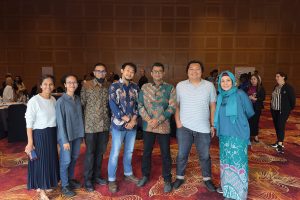
Beyond program implementation, YCWS engaged with wider humanitarian and disaster management networks through the ACT Indonesia Forum, JICA Indonesia, AHA Centre regional forums, and local civil society networks, contributing to collective learning and coordination across the sector.
Looking Ahead
The second half of 2026 begins with new projects, an active emergency response, and programs entering critical stages of implementation. What the past quarter reinforced is something YCWS has long held to be true: the work that happens between emergencies— the planning, the partnerships, the quiet capacity building—is what determines whether communities are ready when the next one arrives.