Strengthening Community Resilience Across Indonesia,humanitarian response is often measured by what happens during a crisis. But long-term resilience is built long before disasters strike, through preparedness, local leadership, and systems that help communities protect one another.
In the first quarter of 2026, Yayasan Cita Wadah Swadaya (YCWS) continued working alongside communities across Indonesia to strengthen disaster preparedness, support emergency response, and protect vulnerable groups affected by displacement and crisis.
Flood Response in Aceh Utara
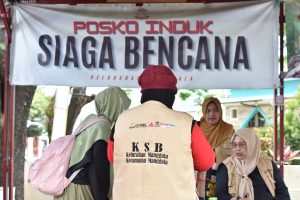
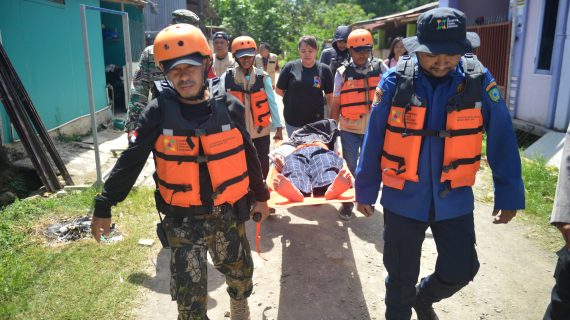
When severe flooding hit Aceh Utara, access to affected areas became one of the immediate challenges. As floodwaters began to recede and roads reopened, YCWS, together with local partner Yayasan Geutanyoe, quickly mobilized emergency assistance to communities in need.
In January 2026, 561 households received clean water and water storage support, reaching 2,054 people across affected villages. The response also prioritized persons with disabilities, whose access to emergency assistance is often limited during emergencies.
Clean water remains one of the most urgent needs after flooding, especially when damaged infrastructure increases health risks and disrupts daily life. Through rapid coordination and local partnership, communities were able to receive support during a critical recovery period.
Building Resilience Before Disasters Happen
Alongside emergency response, YCWS continued strengthening community-based disaster risk reduction through the CLEAR and I-CREATE projects in Makassar and Malaka.
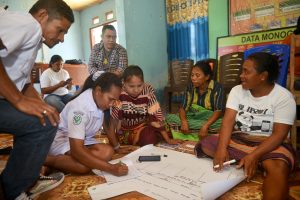
In Makassar, the CLEAR project worked closely with Urban Village Disaster Risk Reduction (UVDRR) teams across four kelurahan. A total of 87 team members participated in strengthening community contingency plans, improving evacuation procedures, and refining early warning systems.
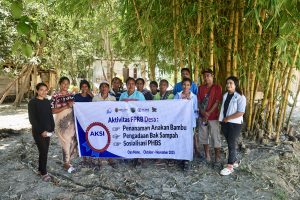
Preparedness activities were designed to be practical and locally relevant. Through small grants and community-led initiatives, neighborhoods developed activities such as urban farming and waste management programs that support resilience in everyday life.
In Malaka, East Nusa Tenggara, the I-CREATE project supported the establishment of community-based flood early warning systems across 13 villages. The systems were developed collaboratively with local governments, religious leaders, and community groups to ensure that risk information could reach all residents, especially vulnerable groups.
YCWS also facilitated technical training in rainfall analysis, landslide monitoring, and QGIS mapping, helping local partners strengthen evidence-based disaster risk reduction and improve local decision-making.
Together, these initiatives reflect a broader approach to resilience. Communities are not only recipients of assistance, but active leaders in preparedness and risk reduction.
Supporting Local Humanitarian Responders in Papua
In Papua, where geography, conflict, and limited infrastructure often complicate humanitarian access, faith-based networks continue to play an important role in community response.
YCWS partnered with the Persekutuan Gereja-Gereja di Indonesia (PGI) to facilitate HONAI training for 20 church-based responders from conflict-affected communities. The training focused on humanitarian coordination, protection principles, and community-based response capacities.
The approach was grounded in a simple understanding: people closest to a crisis are often the first to respond, and they need practical tools and systems to do so safely and effectively.
Refugee Protection Through Community Support
During the first quarter of 2026, 441 refugees and asylum seekers accessed support through YCWS programs, with women and girls representing more than half of those reached.
YCWS facilitated 331 outpatient health con
sultations, case management for 37 gender-based violence and child protection cases, and continued access to antiretroviral medication for seven individuals requiring sustained treatment.
Beyond direct services, YCWS also strengthened refugee-led support systems. Sixty refugees served as interpreters, caregivers, peer mentors, and outreach volunteers within their own communities.
This reflects YCWS’s broader approach to humanitarian work: strengthening the capacity of communities to protect dignity, reduce risks, and build safer futures together.