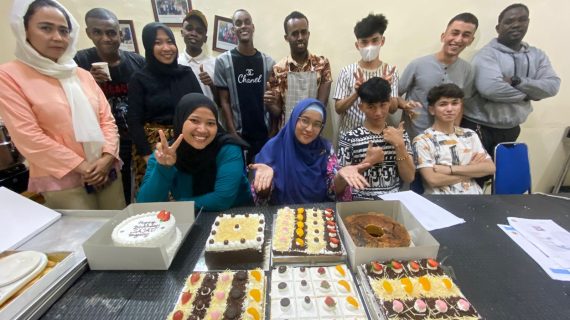
Across Indonesia’s vast chain of islands, more than 11,700 refugees and asylum seekers are trying to rebuild their lives far from home. Nearly one-third of them are children. Some made the journey alone, while others were separated from their families along the way. Many arrive exhausted, carrying experiences far too heavy for someone their age.
In a country that isn’t part of the 1951 Refugee Convention, their safety depends on a mix of local laws, international support, and organizations that believe every child deserves protection.
At Yayasan Cita Wadah Swadaya (YCWS), that belief guides everything we do. YCWS supports unaccompanied and separated children through the Supported Independent Living Care Arrangement (SILCA). It’s a quietly transformative model, and built not around institutions, but around people.
Through SILCA, children live with trained guardians or foster parents in simple rented homes across Jakarta, South Tangerang, and Bogor. These aren’t large shelters or group centres. They’re small, everyday homes where a child can begin to feel a sense of normal life again. Weekly safety visits, case management, access to school, vocational training, healthcare, and psychosocial support from the program’s foundation.
But often, it’s the small human moments that matter most: a guardian helping with homework in a language neither fully shares, a foster parent showing how to shop at the local market, a case worker listening when an old memory suddenly surfaces. Indonesia faces real protection challenges.
Meanwhile, more than 400 unaccompanied or separated children are registered with UNHCR, and many more are vulnerable due to displacement, long waiting periods, and the emotional toll of uncertainty. Refugees cannot legally work, which strains families and affects children’s stability.
Access to national education remains limited. Only 769 refugee children attend accredited schools out of thousands who qualify. In Aceh and North Sumatra, Rohingya arrivals in recent years have encountered community tension, overcrowded shelters, and rising protection risks.
Amid these challenges, SILCA offers a small but meaningful path to dignity. It helps children grow within a community instead of being pushed to its edges. It allows them to slowly recover the rhythms of childhood—learning, socializing, making mistakes, trying again.
And it strengthens the community around them by involving Indonesian neighbors, refugee volunteers, and local authorities in their daily protection. Rebuilding childhood after displacement is never simple. But each time a child begins to feel truly safe again, something changes. They start to imagine their future.
They begin to dream in ways that once felt impossible. At those moments, YCWS is reminded why this work matters, and why community-based care remains one of the strongest tools we have.