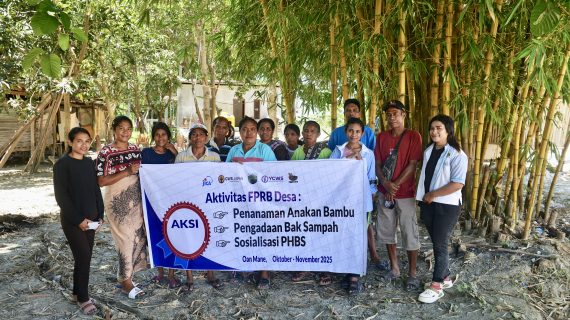
Two Years of YCWS: What We Are Building Together

Two Years of YCWS: What We Are Building Together

An anniversary reflection from Dino Satria, Executive Director

Dear friends, colleagues, and partners,

YCWS was legally established in August 2024, and we began our full operations on 15 September 2024. That is the date we now mark as our anniversary.

When we started operating as YCWS, we knew we were not starting from zero.

We carried forward decades of experience, relationships, and lessons from Church World Service’s work in Indonesia. That history remains an important part of who we are today, and our relationship with CWS has continued as YCWS has grown into an independent Indonesian organization.

But becoming YCWS also brought a different kind of responsibility.

We had to take greater ownership of our direction, our decisions, our partnerships, and the kind of organization we wanted YCWS to become.

Looking back after two years, I think much of our journey has been about exactly that: not only continuing humanitarian programs, but building the organization behind them.

For me, being locally led is less about a label and more about how we work every day. It means understanding the situation before making decisions, making sure the people closest to the issue are part of those decisions, and thinking about what remains when a project ends.

That has become an important way for me to think about our work.

Understanding Before Deciding

Over the past two years, YCWS has worked with very different communities and in very different settings.

In Makassar, through CLEAR, communities in flood prone areas worked to better understand the risks they face and what could be done before flooding happens.

In Malaka, communities across 13 villages have been strengthening disaster preparedness and early warning through I-CREATE.

And through our refugee programs, we continue to work alongside refugees and asylum seekers who have lived with uncertainty in Indonesia for many years.

The situations are very different, but they keep reminding us of the same thing: people living with a problem know things we do not.

Communities know which areas flood first, how information moves, whom people trust, and what gets in the way when they try to act.

Refugees understand their own concerns and priorities far better than we ever could from the outside.

Our role is not to arrive with all the answers.

It is to understand what people are facing, bring what we can contribute, and work together on something that makes sense in that particular context.

Relationships Matter

Our experience responding to emergencies has reinforced another lesson: relationships matter.

When something happens, there is pressure to move quickly. Assessments begin, information has to be shared, coordination starts, and decisions about assistance need to be made.

But being ready to respond is not only about having funding or a response plan.

It is also about knowing who is already there, who to call, how government and other organizations are responding, and what affected communities are telling us.

Local organizations already carry much of that knowledge and many of those relationships.

This is why I increasingly see preparedness and response as part of the same work. Good response begins long before an emergency. It is built through local knowledge, trusted relationships, and people who know how to work together when something happens.

That is also why partnership matters so much to YCWS.

We work alongside Indonesian partners including Yayasan INANTA, Perkumpulan Masyarakat Penanganan Bencana (PMPB), Yayasan Sagu Salempeng, Persekutuan Gereja-gereja di Indonesia (PGI), Yayasan Geutanyoe, and others. We also work with communities, refugee volunteers, government counterparts, faith based organizations, and funding partners.

We are part of wider humanitarian networks, alliances, and communities of practice that give us space to coordinate, learn, and respond together.

A good partnership is not simply about funding or dividing up activities. It means being clear about roles, respecting what each organization brings, being able to disagree when necessary, and finding a way forward together.

I hope YCWS continues to become a good partner, not only an organization that asks others to partner with us.
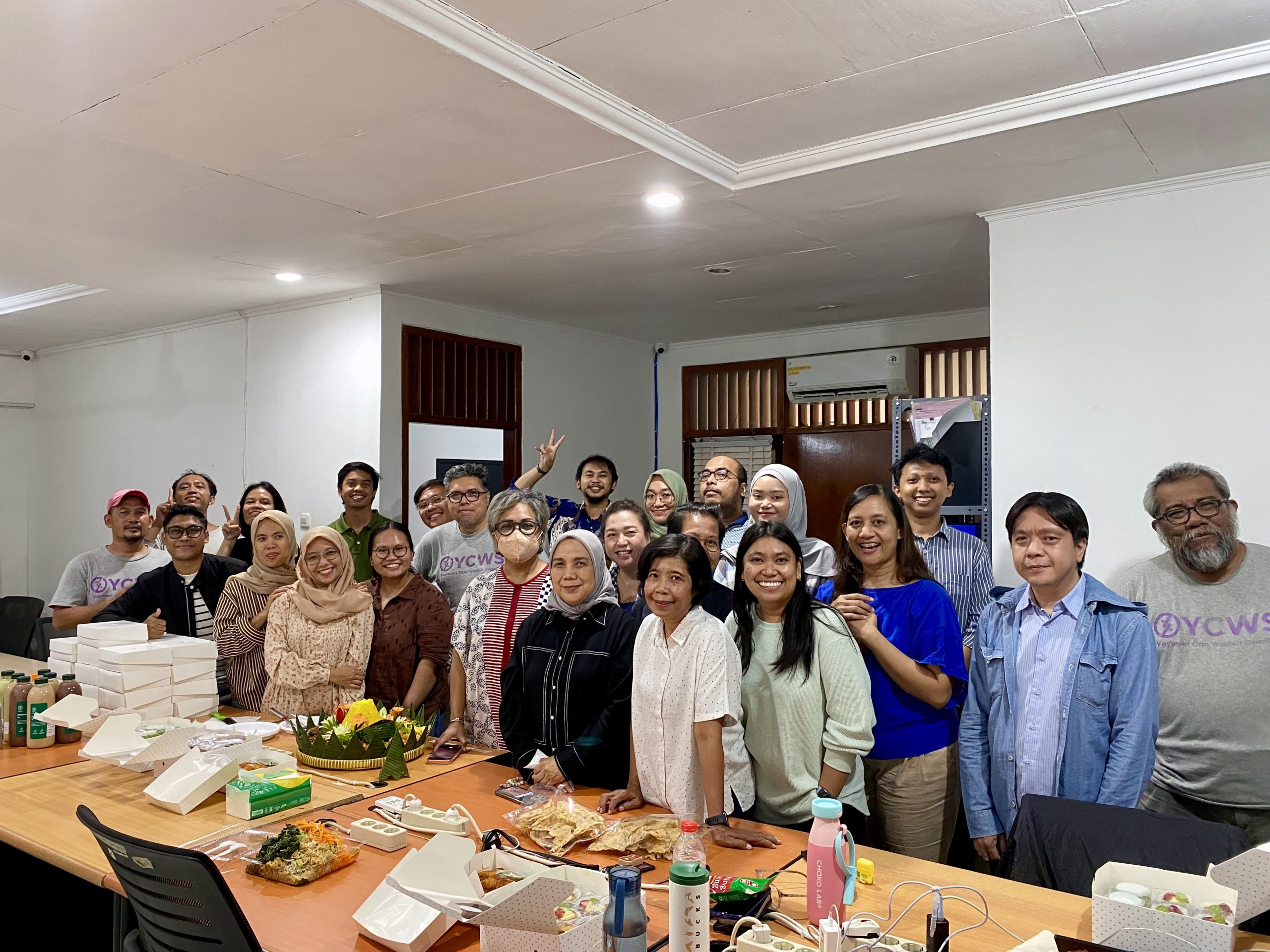
YCWS staff come together to mark the organisation’s second anniversary at the YCWS office. Doc/YCWS.
YCWS staff gather during a celebration marking the organisation’s second anniversary on 15 September 2026. Doc/YCWS.

Building the Organization Behind the Work

When we talk about anniversaries, it is natural to talk about programs, numbers, and achievements.

And there is a lot from these first two years that I am proud of.

We have continued our work with refugees. We have worked with communities on preparedness and resilience. We have responded to emergencies, started new initiatives, developed partnerships, and become more active in humanitarian networks in Indonesia and beyond.

But some of the work I consider most important is much less visible.

It is strengthening our internal systems.

Supporting and developing our staff.

Managing resources responsibly.

Improving safeguarding and accountability.

Taking feedback from communities, partners, and colleagues seriously, and acting on it.

And making sure the way we work reflects the values we talk about.

These things do not usually appear in photographs or anniversary posts, but they are what make an organization dependable over time. They also give us the foundation to take greater responsibility for the work we do and the decisions behind it.

For YCWS, that means building on the experience and relationships that came before us while taking greater responsibility for where we go next.

It does not mean turning away from our history or from our international relationships. It means drawing on that experience, adapting it to our context, making our own decisions, and continuing to build an organization that is rooted in Indonesia while remaining connected to others.

After two years, we have a clearer sense of what we do well, where we still need to improve, and the kind of organization we want YCWS to become.

Looking Ahead

As we enter our third year, I do not think our main goal should simply be to become bigger.

I would rather we become stronger and better at what we do.

I want communities to feel comfortable telling us when something is not working.

I want our partners to feel that working with YCWS is genuinely a partnership.

I want our funding partners to have confidence in how we manage the trust and resources they place in us.

I want our staff to feel that they are not simply working for YCWS, but helping to shape the organization we are becoming.

And when an emergency happens, I want us to be ready because we have invested in the people, systems, and relationships beforehand.

There will be new opportunities and new challenges. But I hope we remain clear about why YCWS exists and whom our work is ultimately for.
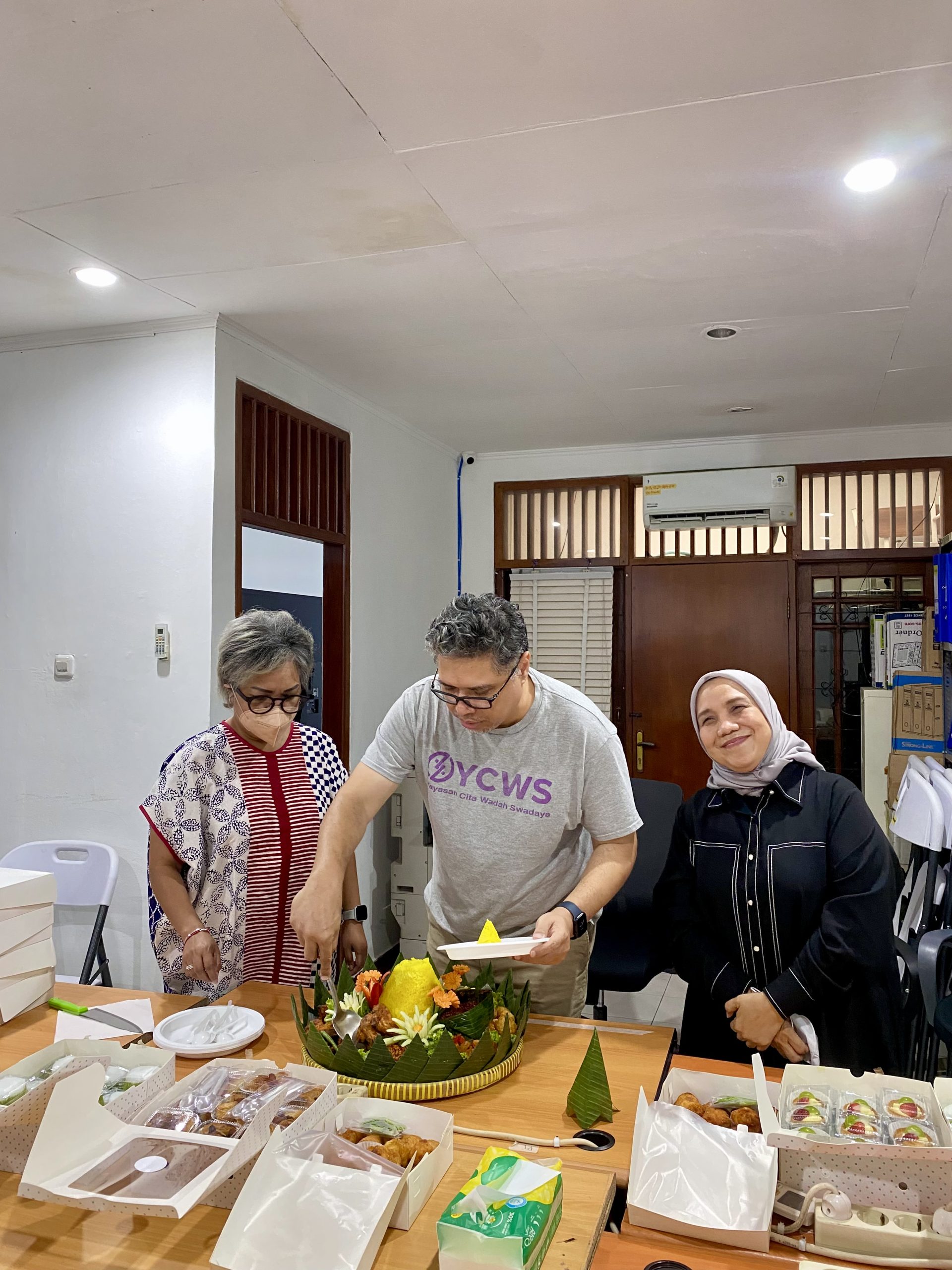
YCWS Executive Director Dino Satria cuts the tumpeng during a gathering and celebration marking YCWS’s second anniversary. Doc/YCWS.
YCWS Executive Director Dino Satria cuts a traditional rice cone during a gathering to mark YCWS’s second anniversary on 15 September 2026. Doc/YCWS.

With Gratitude

None of these first two years would have been possible without many people and organizations choosing to walk alongside us.

To the communities who have welcomed our teams and shared their experiences with us, thank you for the trust you place in us.

To refugees and community volunteers who contribute their time, knowledge, and energy, thank you for continuing to shape this work with us.

To our Indonesian partners and government counterparts, thank you for the collaboration, the honest conversations, and for challenging us when needed.

To our funding partners, thank you for the trust you have placed in YCWS and for making much of this work possible. Your support has allowed us to continue important programs, respond when emergencies happen, test new approaches, and strengthen the organization behind the work.

To our Board, thank you for your guidance, oversight, and continued support as YCWS has grown through these first two years. Your perspective and trust have helped us navigate important decisions and stay focused on the kind of organization we are trying to build.

To the humanitarian networks, alliances, and communities of practice that we are part of, thank you for the coordination, learning, solidarity, and opportunities to work together, both in Indonesia and beyond.

And to everyone at YCWS, whether working directly with communities and refugees or supporting the work through program quality, finance, operations, HR, communications, administration, and many other roles, thank you.

Building an organization is not always easy. There have been busy periods, difficult decisions, things we have had to fix, and lessons we have had to learn along the way.

But I am proud of the foundation we have started to put in place.

Two years is still early in the life of an organization. There is much more for us to build and improve.

I am grateful to everyone who has helped us get this far, and I look forward to what we can continue to build together in the years ahead.

Dino Satria
Executive Director
Yayasan Cita Wadah Swadaya (YCWS)
Partnership in Action: Monitoring Visit in Malaka, East Nusa Tenggara

Partnership in Action: Monitoring Visit in Malaka, East Nusa Tenggara

Building stronger and more resilient communities is rarely the work of a single actor. It requires collaboration, shared learning, and hands-on engagement with the people most affected by climate-related risks. This spirit of partnership was at the heart of YCWS’s monitoring visit to Malaka, East Nusa Tenggara (NTT), held this past week as part of the I-CREATE program funded by JICA. 

The visit brought together Yayasan Cita Wadah Swadaya (YCWS), Church World Service Japan (CWSJ), Japan Conservation Engineers (JCE), and Perkumpulan Masyarakat Penanganan Bencana (PMPB) in a coordinated effort to strengthen local disaster risk reduction capacities. Over several days, the joint team conducted field activities designed to build practical skills while reinforcing the importance of evidence-based planning in flood-prone areas of Malaka. 

Technical Capacity Building for Implementation Partner 

Throughout the monitoring visit, technical specialists from Japan worked closely with the staff from PMPB and YCWS to enhance their practical skills in disaster risk analysis. The focus of the sessions was not on community training, but on equipping project implementers with the tools and confidence needed to independently lead technical components of the I-CREATE program. 

Takeshi Komino from CWS Japan introduced the team to the use of Geographic Information Systems (GIS) for disaster risk mapping. He demonstrated how GIS can both automate and validate the identification of risk spots previously recognized by the team in the field, helping PMPB and YCWS visualize vulnerable areas and prioritize where mitigation measures will have the greatest impact. 

In the field, Mayumi from JCE guided the team using levelling poles to measure flood-prone locations and the creation of terrain cross-sections. These techniques help project staff interpret how water flows across the landscape, identify critical risk points, and design more accurate and context-sensitive mitigation plans. 

The hands-on approach did more than build technical proficiency. It strengthened the capacity of PMPB and YCWS to apply science-based methods on their own—shifting from dependency on external experts to greater ownership of disaster preparedness processes within the project. 

Running alongside the technical sessions, YCWS facilitated a Monitoring, Evaluation, Accountability, and Learning (MEAL) workshop with PMPB. This session reinforced the program’s monitoring systems, documentation standards, and accountability mechanisms, ensuring that evidence and learning from Year 1 are captured effectively to guide Year 2 implementation. 

The MEAL workshop also served as a structured reflection space—allowing teams to identify what worked, what needs adjustment, and how program continuity can be strengthened moving forward. 

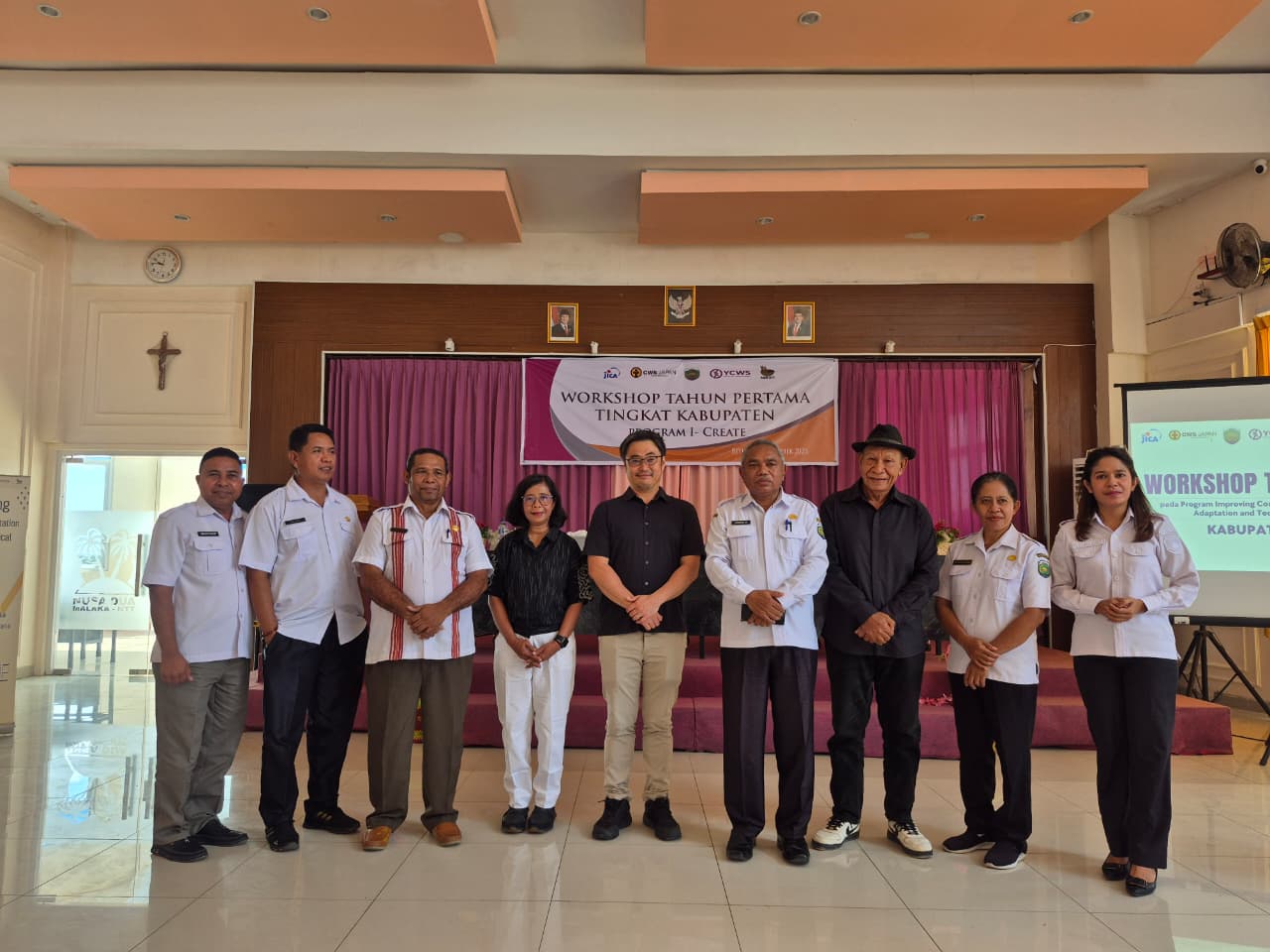
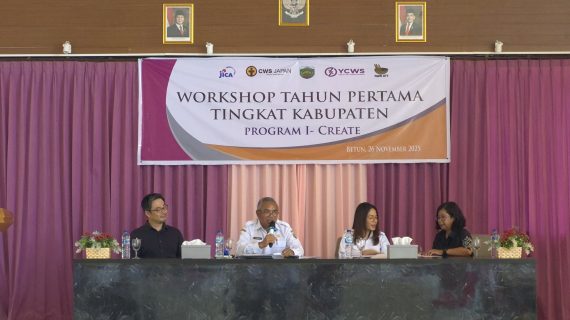
Representatives from local government, YCWS, and CWS Japan gathered for the first-year district-level workshop of the I-CREATE Program in Malaka. Doc/YCWS.

Multi-Stakeholder Collaboration 

The monitoring visit culminated in a project defined “pre-Musrenbang kabupaten”—a consolidation meeting held prior to the formal Musrenbang or district-level development planning consultation workshop—that brought together approximately 80 participants representing local government agencies (OPDs) and community organizations across Malaka Regency. 

Following presentations from the Malaka Planning, Research and Innovation Agency (BAPPERIDA Malaka), PMPB, and CWSJ, participants engaged in focused discussions to align disaster risk reduction priorities with local development planning cycles. This integration is essential for ensuring that community resilience becomes embedded in formal government planning, not treated as a standalone project. 

Key Observations and Outcomes 

Overall, towards the end of Year 1 implementation, I-CREATE project has shown positive results and response from its relevant stakeholders. Initial insight from recent monitoring visit suggest that technical skill transfer is progressing well, particularly in the practical components.   

During the pole measurement and cross-section training, Vinnie, one of PMPB staff, shared that they learned a lot of detailed things through the field practice, not only by theory. She expressed appreciation for the depth of learning and hopes that these skills will later support risk identification and mitigation together with the village FPRB teams.   

Stakeholder engagement throughout Year 1 has also been positively received. The Secretary of Malaka Regency, Ferdinand Un Muti, referred I-CREATE as a “positive collaboration”, encouraging OPDs to apply workshop learnings to strengthen regional disaster preparedness.  

How CLEAR Program Builds Flood-Resilient Communities in Makassar

How CLEAR Program Builds Flood-Resilient Communities in Makassar

In Makassar, South Sulawesi, the impacts of climate change are no longer distant concerns but lived realities. Recurrent flooding continues to disrupt livelihoods, strain public services, and place vulnerable households at risk. 

In late September 2025, something significant took place in four flood-prone urban villages in Makassar: Katimbang, Tamangapa, Paccerakkang, and Manggala. Community members, disaster response agencies, military representatives, and local government officials came together not to respond to an actual flood, but to prepare for one. 

These comprehensive preparedness simulations marked a critical milestone in the Community Led Early Action and Resilience (CLEAR) Program, implemented by Yayasan Cita Wadah Swadaya (YCWS) in partnership with Yayasan INANTA and supported by Act for Peace Australia. 
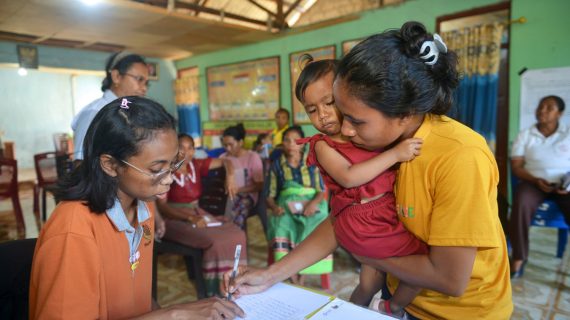
Launched in July 2023, CLEAR is a three-year initiative targeting communities most exposed to recurrent flooding. With 3,412 direct beneficiaries and approximately 34,245 indirect beneficiaries across four sub-districts, CLEAR goes beyond traditional disaster response.  

It empowers communities to assess their own climate vulnerabilities, implement anticipatory actions before disasters strike, and access alternative livelihoods to reduce displacement risks. 

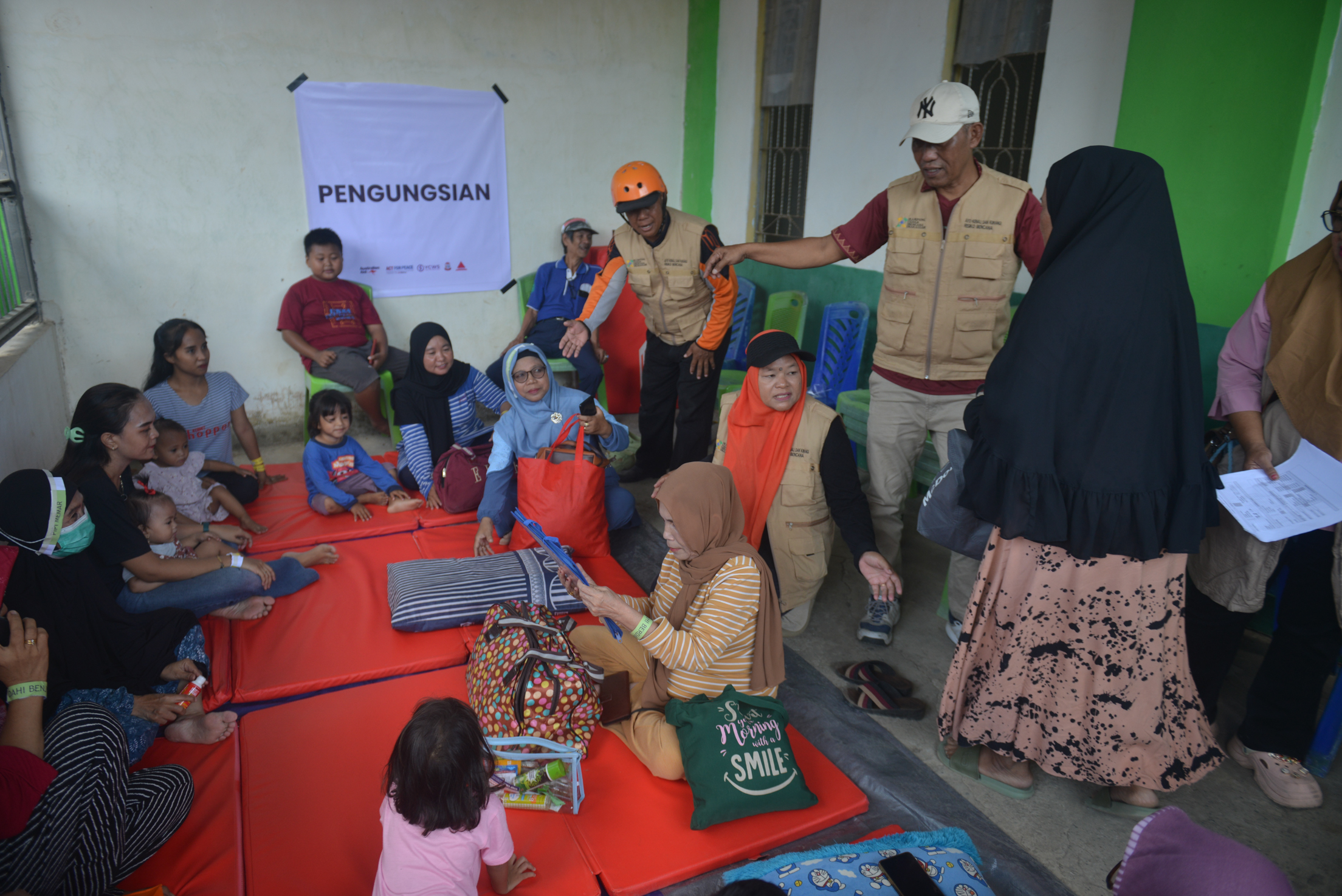
Community members gather in an evacuation center during the CLEAR Program’s flood preparedness simulation. Dok/YCWS.

The Three-Step Flood Simulations 

The flood simulations followed a rigorous methodology proven to strengthen disaster readiness. First, groundwork. This means YCWS teams collaborated with communities and local governments to develop realistic flood scenarios, assign roles, and prepare equipment tailored to local contexts.  

Second, execution. In this extent, participants activated early warning systems, evacuated residents to designated shelters, established emergency response posts, and delivered first aid and logistical support under conditions mirroring real emergencies.  

Finally, evaluation which is refer to together with the Regional Disaster Management Agency (BPBD) and village governments, teams assessed coordination effectiveness, identified gaps, and refined contingency plans to ensure vulnerable members, including persons with disabilities and diverse gender identities, received appropriate assistance. 

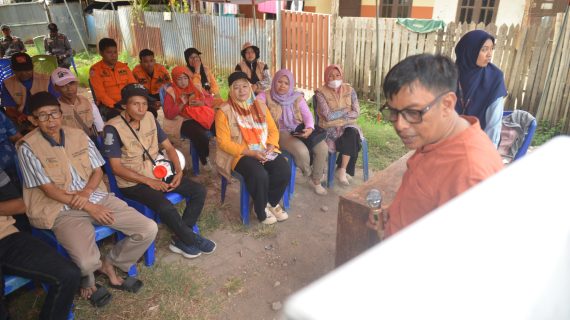
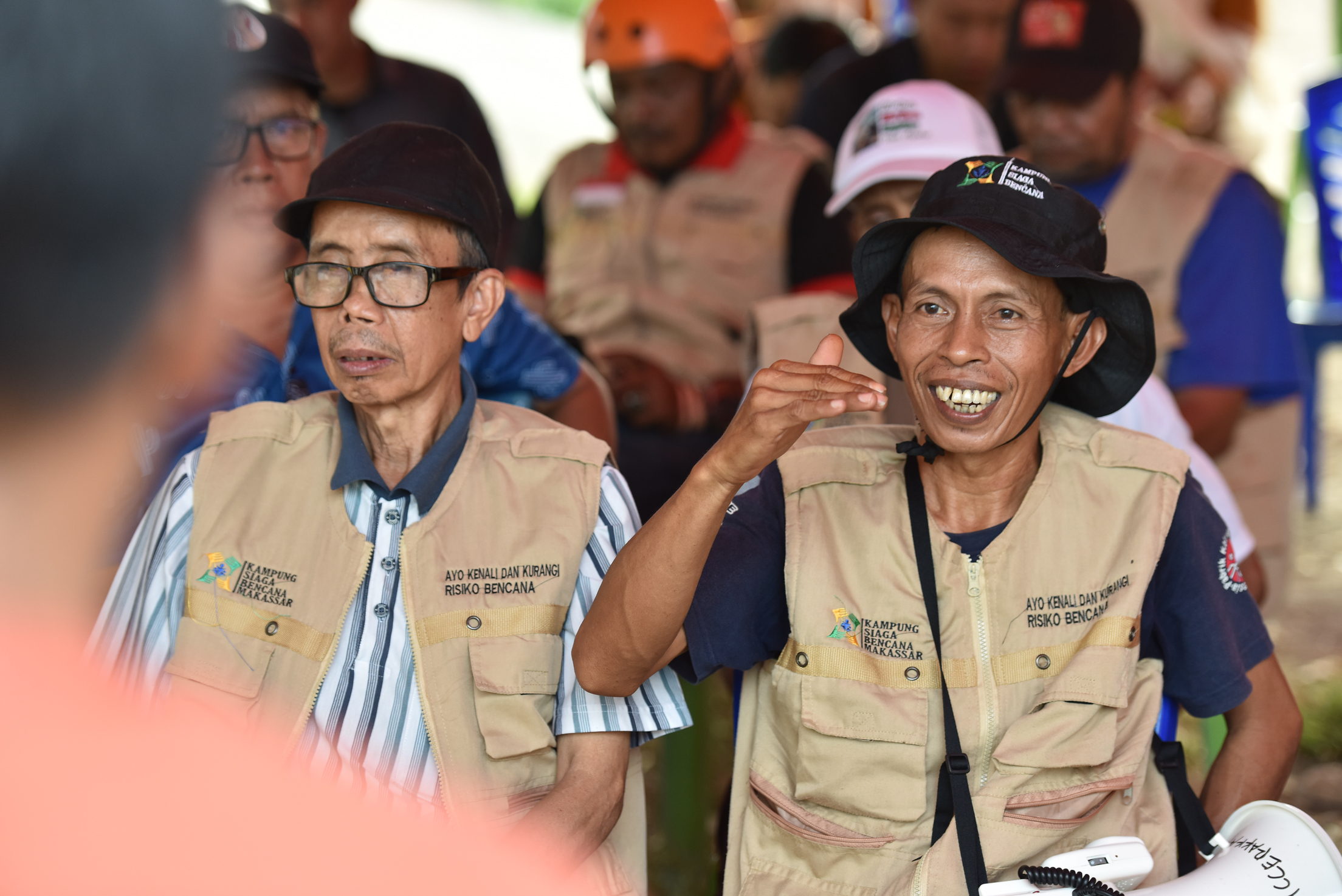
Community volunteers join a flood simulation under the YCWS CLEAR program in Makassar. Dok/YCWS.

Tangible Impact 

The results were significant. Communities gained clearer understanding of evacuation routes and self-rescue measures. Meanwhile, coordination between village authorities and technical agencies strengthened significantly.  

Beyond simulations, CLEAR has supported also the establishment and continued strengthening of Kampung Siaga Bencana (KSB) teams across four villages.  

The program has also helped develop key disaster management documents, such as risk assessments, action plans, and contingency plans, aligned with village-level strategies for flood mitigation.  

One of CLEAR’s key innovations is the piloting of Anticipatory Action, including early action protocols and fund-disbursement mechanisms that enable interventions before floods occur. 

YCWS Responds to Humanitarian Crisis After Hydrometeorological Disaster in Sumatra

YCWS Responds to Humanitarian Crisis After Hydrometeorological Disaster in Sumatra

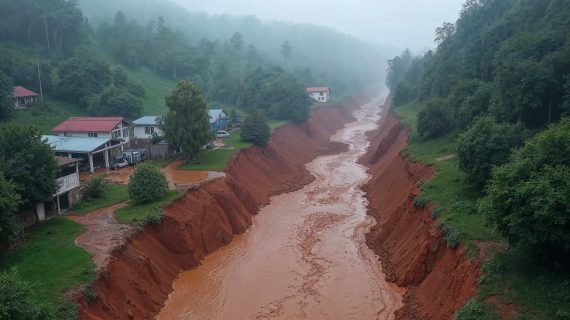
Yayasan Cita Wadah Swadaya (YCWS) is mobilising humanitarian assistance for communities affected by flash floods and landslides across three provinces in Sumatra, triggered by Tropical Cyclone Senyar. The disaster, which evolved from cyclone seed 95B in the Malacca Strait from 21 November, has caused at least 84 deaths and displaced tens of thousands of people.
According to the YCWS Situation Report of 27 November 2025, the scale and impact of the prolonged extreme rainfall in Aceh, North Sumatra, and West Sumatra are deeply concerning:

  •  North Sumatra: 47 fatalities; around 3,000 people affected.
  • Aceh: 17,352 households (59,947 people) affected; 3,007 households displaced; 22 fatalities.
  • West Sumatra: 27,433 people affected; 15 fatalities; 4,500 houses damaged.

Beyond the loss of life, critical infrastructure has been severely disrupted. Landslides have cut off road access, electricity has been interrupted, and communication networks have been damaged, leaving some areas completely isolated.

YCWS’s Initial Response

YCWS is responding in Aceh through local partner Yayasan Geutanyoe, providing immediate life-saving assistance to affected families. Together with our partners and networks, we are also conducting a joint needs assessment on the ground to guide further support for communities across Sumatra.

“We will continue coordinating with BPBD, BNPB, and humanitarian networks such as Humanitarian Forum Indonesia and ACT Indonesia Forum,” said YCWS Executive Director Dino Satria.

Urgent Needs

Based on current assessments, immediate priority needs include:

  • Temporary shelter (tents and basic shelter materials)
  • Ready-to-eat food
  • Clean water and water containers
  • Hygiene kits and menstrual hygiene supplies
  • Emergency sanitation facilities
  • Psychosocial support for children, women, and other vulnerable groups

Call to Action

The hydrometeorological disaster in Sumatra is another reminder of the urgent need for preparedness, climate-resilient communities, and stronger cooperation among government, civil society, faith-based groups, and the public.

YCWS invites individuals, congregations, organisations, and private sector partners to take part in this humanitarian mission.

“Every contribution represents hope for those who are now struggling with loss and limited resources.”

For more information or to contribute to this response, please contact YCWS at citawadahswadaya@ycws.org or visit ycws.org.

From Legacy to Local Leadership

From Legacy to Local Leadership

In August 2024, after more than six decades of humanitarian work in Indonesia, Church World Service’s presence transformed into something new: Yayasan Cita Wadah Swadaya (YCWS), an Indonesian, faith-based foundation built on inherited trust and long-standing partnerships.

At YCWS, we did not start from zero. As an Indonesian foundation, we stand on more than sixty years of credibility earned alongside refugees, communities hit by disasters, and villages on the frontline of the climate crisis. That inheritance is now our mandate: we are here to ensure that humanitarian work in Indonesia is led, owned, and sustained by Indonesians themselves.

As a faith-based foundation, we express our faith through action: standing with people in their hardest moments and protecting their dignity. From this commitment flow three interconnected areas of work:

  • Refugee Protection
  • Disaster Preparedness & Response
  • Climate Resilience

In our first year as YCWS, we walked alongside more than 1,350 people across three provinces. At the centre of this work is refugee protection. Our teams provided 430+ health consultations – including HIV services and mental health support – and supported 233 refugees and asylum seekers with safe accommodation and ongoing case management. We also delivered cash assistance to 785 people, helping families cover urgent needs with dignity. For nearly 100 women and girls at risk, this support meant protection, specialised counselling, and concrete pathways toward greater safety and independence.

Beyond refugee protection, we worked with communities not only to respond to crises, but to prepare for them. In Makassar, community-led teams coordinated flood evacuations, ran public kitchens, and worked side by side with city authorities during emergencies. In East Nusa Tenggara, we launched I-CREATE, a three-year initiative to strengthen early warning systems in 13 flood-prone villages. Along the way, 452 residents joined climate awareness sessions and 102 village leaders helped shape local resilience action plans that they themselves will drive forward.

Humanitarian action is changing it must localise and return real power to communities. YCWS is where a long-standing legacy becomes a local mandate.

Nearly One Thousand People Evacuated as YCWS Monitors Mount Semeru Eruption

Nearly One Thousand People Evacuated as YCWS Monitors Mount Semeru Eruption

Yayasan Cita Wadah Swadaya (YCWS) expresses its deep concern over the eruption of Mount Semeru, which has severely affected communities in Lumajang Regency, East Java. According to field reports, approximately 956 residents have evacuated to several designated safe locations, and the number is expected to continue rising as data collection progresses.

On Wednesday (19 November), Mount Semeru’s volcanic activity escalated sharply. A loud explosion was heard at around 16:00 local time, followed by a towering column of volcanic ash rising to 2,000 meters above the summit. The ash drifted toward the northern and northwestern slopes, blanketing villages surrounding the highest volcano on the island of Java.

Seismic instruments recorded 118 eruption quakes, a pyroclastic flow signal, and 30 avalanche quakes. A sustained tremor with a maximum amplitude of 40 mm lasted for 16 minutes—an indication of a strong eruptive episode.

Within one hour, the Centre for Volcanology and Geological Hazard Mitigation (PVMBG) elevated Semeru’s alert level from Level III (“Siaga”) to Level IV (“Awas”), the highest alert status in Indonesia’s volcano monitoring system.

The National Disaster Management Agency’s (BNPB) Emergency Operations Center (Pusdalops) reported that three villages were among the most affected: Supit Urang and Oro-Oro Ombo in Pronojiwo Sub-district, and Penanggal in Candipuro Sub-district.

Meanwhile, the Lumajang Regency Government has declared a seven-day Emergency Response Status, effective from 19 to 25 November 2025. Authorities have also enforced an exclusion zone of 8 kilometres from the crater to protect residents from potential hazards such as rock ejection and rain-triggered lava flows.

Six evacuation sites have been prepared across Pronojiwo and Candipuro. These include SD 04 Supiturang hosting around 100 evacuees, SD Sumberurip 02 with approximately 200 people, and Masjid Ar-Rahmah which currently accommodates up to 500 residents.

The Regional Disaster Management Agency (BPBD) is leading the ground response, distributing food and non-food assistance while conducting assessments at evacuation centres.

For YCWS, this disaster is not merely a volcanic eruption—it is a chain of impacts that challenges the resilience of families and communities, particularly children, the elderly, and other vulnerable groups.

During this emergency phase, YCWS underscores the importance of rapid and targeted assistance. Immediate needs include masks to protect against volcanic ash, sleeping mats for evacuees in temporary shelters, and ready-to-eat meals for displaced families.

YCWS also reaffirmed its commitment to monitor developments closely and strengthen coordination with humanitarian networks such as the Humanitarian Forum Indonesia (HFI), ACT Indonesia Forum, and other organizations already operating in the field.

Amid the uncertainty, YCWS calls on the broader public to uphold solidarity. “What matters most right now is ensuring people’s safety. We remain committed to supporting ongoing humanitarian efforts in the affected areas,” the YCWS team stated.

As of this writing, Mount Semeru’s volcanic activity continues to be closely monitored, while nearby airports remain operational despite the issuance of an orange VONA (Volcano Observatory Notice for Aviation) alert.

Regional Humanitarian Partnership Week 2024 in Bangkok

Regional Humanitarian Partnership Week 2024 in Bangkok

We were excited to have participated in the Regional Humanitarian Partnership Week 2024 in Bangkok! Over three days, more than 400 global participants came together to exchange ideas, build connections, and explore how local solutions can address pressing humanitarian challenges.

This event showcased the incredible potential of collaboration, from innovative st&nbsprategies to new partnerships. It’s a reminder that collective action can drive real change and build a more sustainable and resilient future.

Let’s keep the energy alive and turn these insights into impactful actions!

Thank you to United Nations OCHA, ADRRN, and ICVA Network and Community World Service Asia for hosting such an inspiring event.

Anticipatory Action: CLEAR (Community-Led Early Action and Resilience) Program in Makassar, South Sulawesi.

Anticipatory Action: CLEAR (Community-Led Early Action and Resilience) Program in Makassar, South Sulawesi.

We are pleased to share the news that we participated in the 2nd Anticipatory Action National Dialogue in Bandung from 7–9 January 2025. It was an incredible opportunity to collaborate with fellow members of the Anticipatory Action Working Group, where YCWS actively contribute to thematic discussions and workplan development, advocating for the importance of Anticipatory Action.

Currently, YCWS is piloting Anticipatory Action through the CLEAR (Community-Led Early Action and Resilience) Program in Makassar, South Sulawesi. The CLEAR Program is a collaborative project with our partner: Yayasan Inanta and our donor: Act for Peace.

This program is helping strengthen the resilience of vulnerable urban communities in Makassar, better preparing them for the impacts of climate risks and disasters.

Through this dialogue, we reaffirm the need to continue raising awareness about Anticipatory Action among local governments and communities. YCWS remains dedicated to supporting this cause through the CLEAR Program, ensuring that more communities are better prepared and resilient.

We look forward to continuing this important work and engaging with like-minded partners!

Get in Touch!

Social Media

Join Us

Contact Us

© Copyright Yayasan Cita Wadah Swadaya. All Right Reserved