How CLEAR Program Builds Flood-Resilient Communities in Makassar

How CLEAR Program Builds Flood-Resilient Communities in Makassar

In Makassar, South Sulawesi, the impacts of climate change are no longer distant concerns but lived realities. Recurrent flooding continues to disrupt livelihoods, strain public services, and place vulnerable households at risk. 

In late September 2025, something significant took place in four flood-prone urban villages in Makassar: Katimbang, Tamangapa, Paccerakkang, and Manggala. Community members, disaster response agencies, military representatives, and local government officials came together not to respond to an actual flood, but to prepare for one. 

These comprehensive preparedness simulations marked a critical milestone in the Community Led Early Action and Resilience (CLEAR) Program, implemented by Yayasan Cita Wadah Swadaya (YCWS) in partnership with Yayasan INANTA and supported by Act for Peace Australia. 

Launched in July 2023, CLEAR is a three-year initiative targeting communities most exposed to recurrent flooding. With 3,412 direct beneficiaries and approximately 34,245 indirect beneficiaries across four sub-districts, CLEAR goes beyond traditional disaster response.  

It empowers communities to assess their own climate vulnerabilities, implement anticipatory actions before disasters strike, and access alternative livelihoods to reduce displacement risks. 
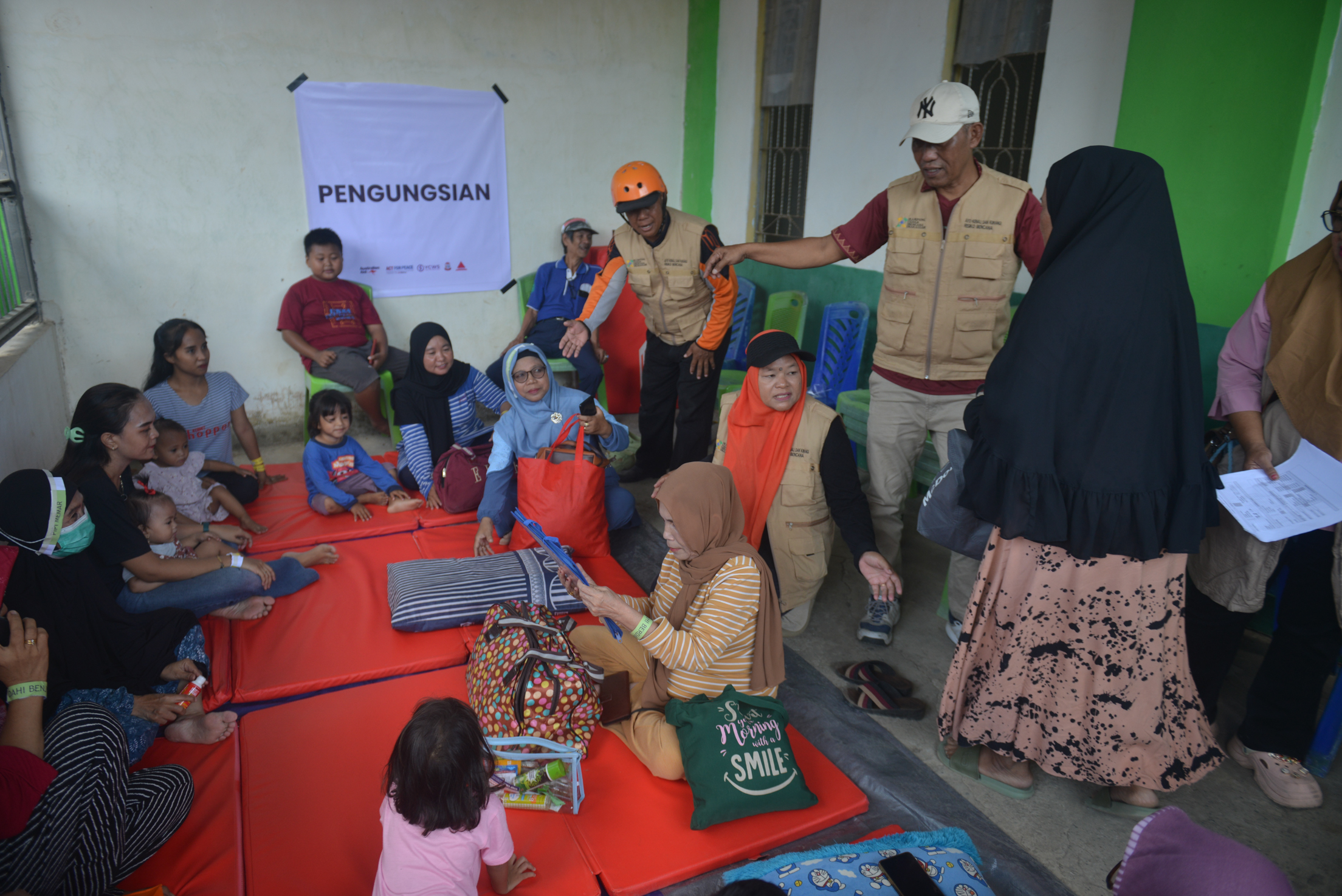
Community members gather in an evacuation center during the CLEAR Program’s flood preparedness simulation. Dok/YCWS.

The Three-Step Flood Simulations 

The flood simulations followed a rigorous methodology proven to strengthen disaster readiness. First, groundwork. This means YCWS teams collaborated with communities and local governments to develop realistic flood scenarios, assign roles, and prepare equipment tailored to local contexts.  

Second, execution. In this extent, participants activated early warning systems, evacuated residents to designated shelters, established emergency response posts, and delivered first aid and logistical support under conditions mirroring real emergencies.  

Finally, evaluation which is refer to together with the Regional Disaster Management Agency (BPBD) and village governments, teams assessed coordination effectiveness, identified gaps, and refined contingency plans to ensure vulnerable members, including persons with disabilities and diverse gender identities, received appropriate assistance. 
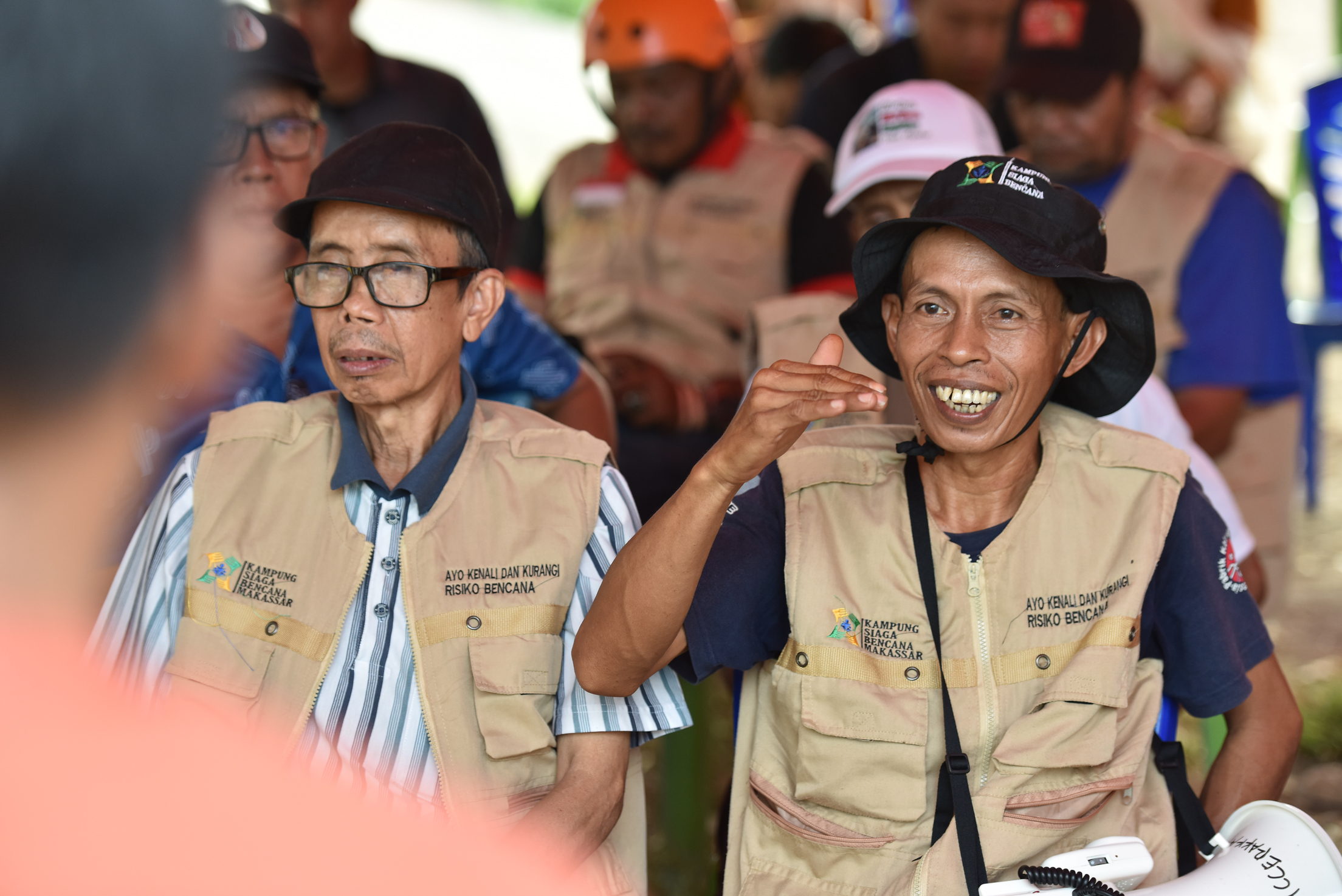
Community volunteers join a flood simulation under the YCWS CLEAR program in Makassar. Dok/YCWS.

Tangible Impact 

The results were significant. Communities gained clearer understanding of evacuation routes and self-rescue measures. Meanwhile, coordination between village authorities and technical agencies strengthened significantly.  

Beyond simulations, CLEAR has supported also the establishment and continued strengthening of Kampung Siaga Bencana (KSB) teams across four villages.  

The program has also helped develop key disaster management documents, such as risk assessments, action plans, and contingency plans, aligned with village-level strategies for flood mitigation.  

One of CLEAR’s key innovations is the piloting of Anticipatory Action, including early action protocols and fund-disbursement mechanisms that enable interventions before floods occur. 
YCWS Responds to Humanitarian Crisis After Hydrometeorological Disaster in Sumatra

YCWS Responds to Humanitarian Crisis After Hydrometeorological Disaster in Sumatra

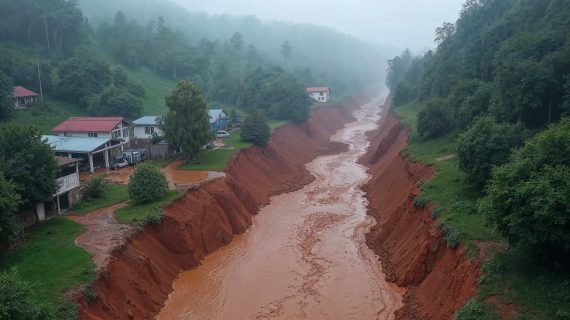
Yayasan Cita Wadah Swadaya (YCWS) is mobilising humanitarian assistance for communities affected by flash floods and landslides across three provinces in Sumatra, triggered by Tropical Cyclone Senyar. The disaster, which evolved from cyclone seed 95B in the Malacca Strait from 21 November, has caused at least 84 deaths and displaced tens of thousands of people.

According to the YCWS Situation Report of 27 November 2025, the scale and impact of the prolonged extreme rainfall in Aceh, North Sumatra, and West Sumatra are deeply concerning:

  •  North Sumatra: 47 fatalities; around 3,000 people affected.
  • Aceh: 17,352 households (59,947 people) affected; 3,007 households displaced; 22 fatalities.
  • West Sumatra: 27,433 people affected; 15 fatalities; 4,500 houses damaged.

Beyond the loss of life, critical infrastructure has been severely disrupted. Landslides have cut off road access, electricity has been interrupted, and communication networks have been damaged, leaving some areas completely isolated.

YCWS’s Initial Response

YCWS is responding in Aceh through local partner Yayasan Geutanyoe, providing immediate life-saving assistance to affected families. Together with our partners and networks, we are also conducting a joint needs assessment on the ground to guide further support for communities across Sumatra.

“We will continue coordinating with BPBD, BNPB, and humanitarian networks such as Humanitarian Forum Indonesia and ACT Indonesia Forum,” said YCWS Executive Director Dino Satria.

Urgent Needs

Based on current assessments, immediate priority needs include:

  • Temporary shelter (tents and basic shelter materials)
  • Ready-to-eat food
  • Clean water and water containers
  • Hygiene kits and menstrual hygiene supplies
  • Emergency sanitation facilities
  • Psychosocial support for children, women, and other vulnerable groups

Call to Action

The hydrometeorological disaster in Sumatra is another reminder of the urgent need for preparedness, climate-resilient communities, and stronger cooperation among government, civil society, faith-based groups, and the public.

YCWS invites individuals, congregations, organisations, and private sector partners to take part in this humanitarian mission.

“Every contribution represents hope for those who are now struggling with loss and limited resources.”

For more information or to contribute to this response, please contact YCWS at citawadahswadaya@ycws.org or visit ycws.org.

From Legacy to Local Leadership

From Legacy to Local Leadership

In August 2024, after more than six decades of humanitarian work in Indonesia, Church World Service’s presence transformed into something new: Yayasan Cita Wadah Swadaya (YCWS), an Indonesian, faith-based foundation built on inherited trust and long-standing partnerships.

At YCWS, we did not start from zero. As an Indonesian foundation, we stand on more than sixty years of credibility earned alongside refugees, communities hit by disasters, and villages on the frontline of the climate crisis. That inheritance is now our mandate: we are here to ensure that humanitarian work in Indonesia is led, owned, and sustained by Indonesians themselves.

As a faith-based foundation, we express our faith through action: standing with people in their hardest moments and protecting their dignity. From this commitment flow three interconnected areas of work:

  • Refugee Protection
  • Disaster Preparedness & Response
  • Climate Resilience

In our first year as YCWS, we walked alongside more than 1,350 people across three provinces. At the centre of this work is refugee protection. Our teams provided 430+ health consultations – including HIV services and mental health support – and supported 233 refugees and asylum seekers with safe accommodation and ongoing case management. We also delivered cash assistance to 785 people, helping families cover urgent needs with dignity. For nearly 100 women and girls at risk, this support meant protection, specialised counselling, and concrete pathways toward greater safety and independence.

Beyond refugee protection, we worked with communities not only to respond to crises, but to prepare for them. In Makassar, community-led teams coordinated flood evacuations, ran public kitchens, and worked side by side with city authorities during emergencies. In East Nusa Tenggara, we launched I-CREATE, a three-year initiative to strengthen early warning systems in 13 flood-prone villages. Along the way, 452 residents joined climate awareness sessions and 102 village leaders helped shape local resilience action plans that they themselves will drive forward.

Humanitarian action is changing it must localise and return real power to communities. YCWS is where a long-standing legacy becomes a local mandate.

Regional Humanitarian Partnership Week 2024 in Bangkok

Regional Humanitarian Partnership Week 2024 in Bangkok

We were excited to have participated in the Regional Humanitarian Partnership Week 2024 in Bangkok! Over three days, more than 400 global participants came together to exchange ideas, build connections, and explore how local solutions can address pressing humanitarian challenges.

This event showcased the incredible potential of collaboration, from innovative st&nbsprategies to new partnerships. It’s a reminder that collective action can drive real change and build a more sustainable and resilient future.

Let’s keep the energy alive and turn these insights into impactful actions!

Thank you to United Nations OCHA, ADRRN, and ICVA Network and Community World Service Asia for hosting such an inspiring event.

Get in Touch!

Social Media

Join Us

Contact Us

© Copyright Yayasan Cita Wadah Swadaya. All Right Reserved