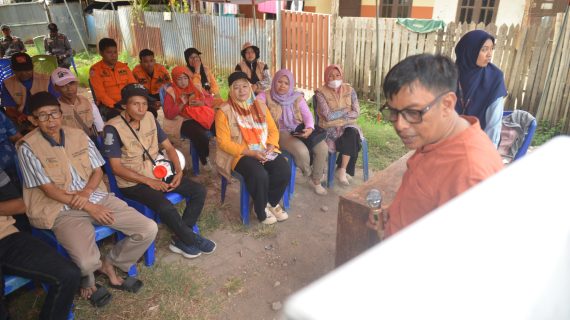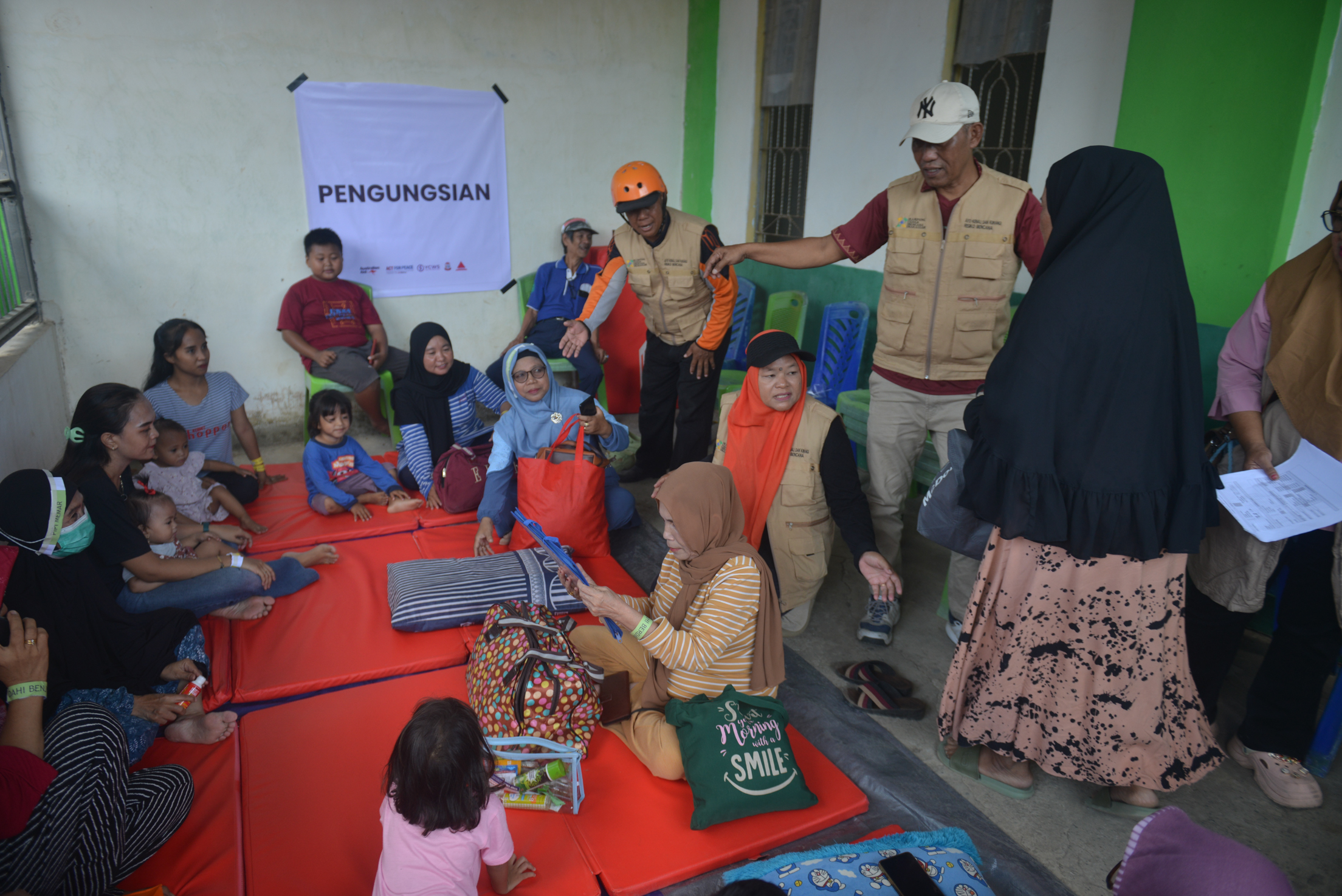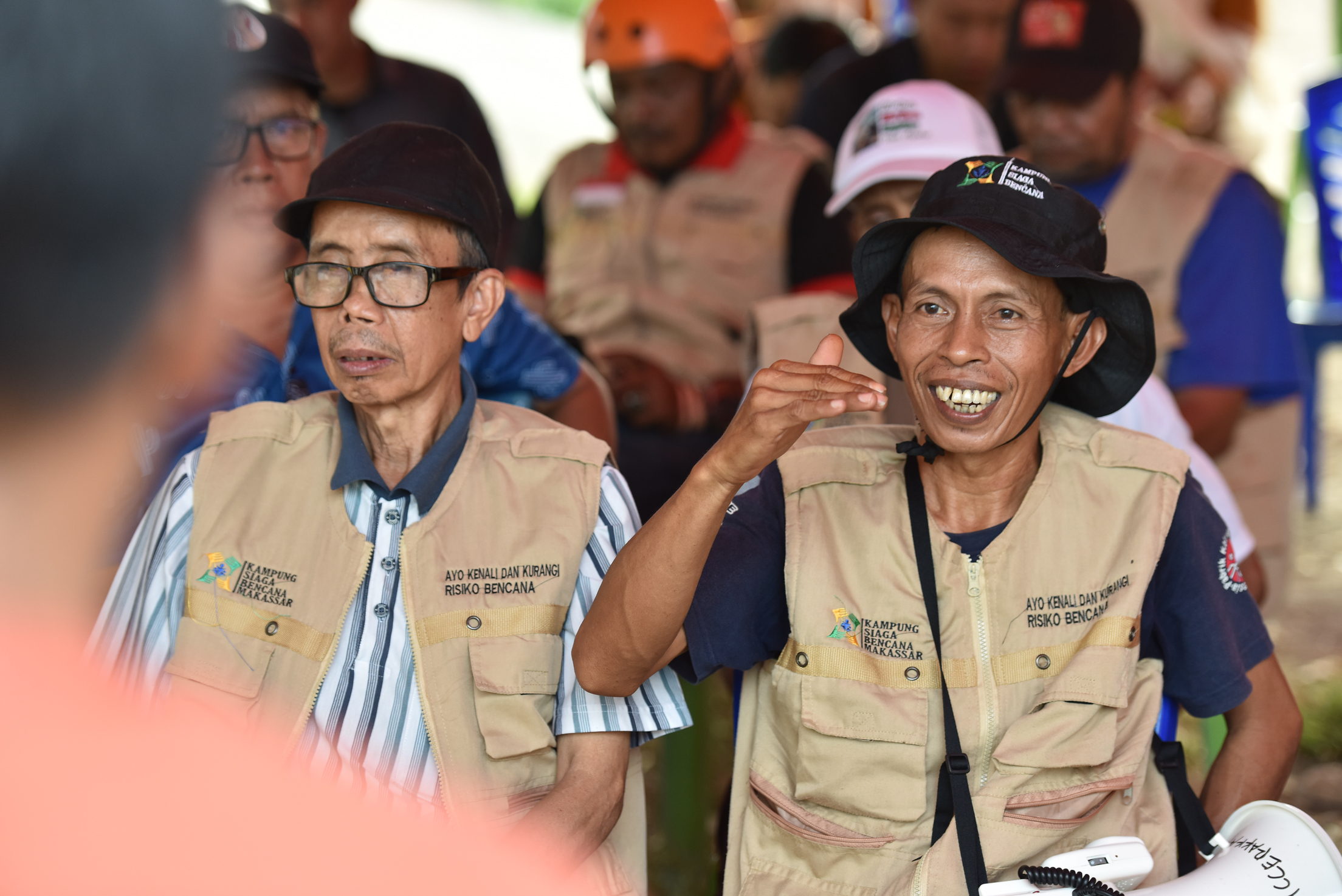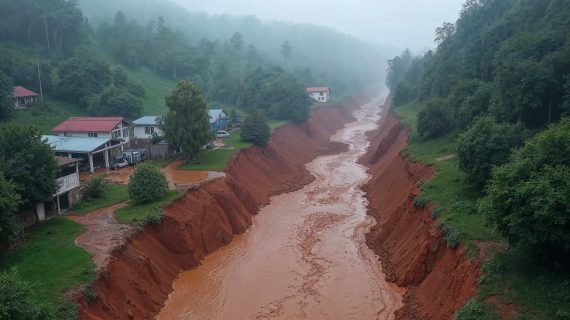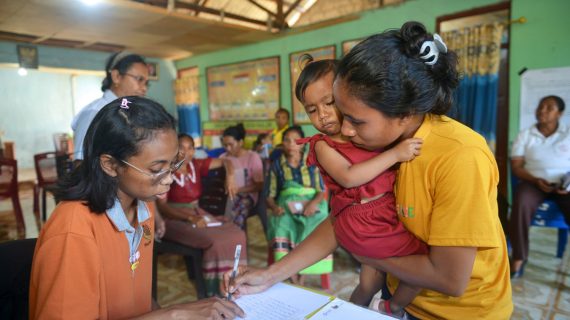
Building stronger and more resilient communities is rarely the work of a single actor. It requires collaboration, shared learning, and hands-on engagement with the people most affected by climate-related risks. This spirit of partnership was at the heart of YCWS’s monitoring visit to Malaka, East Nusa Tenggara (NTT), held this past week as part of the I-CREATE program funded by JICA.
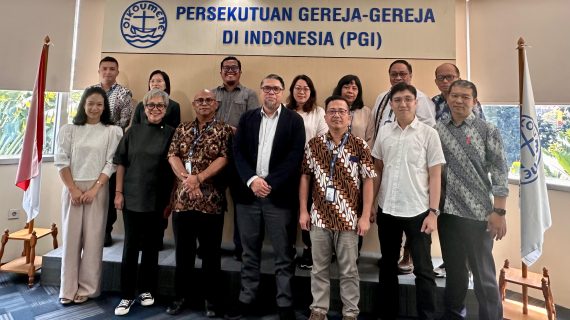
The visit brought together Yayasan Cita Wadah Swadaya (YCWS), Church World Service Japan (CWSJ), Japan Conservation Engineers (JCE), and Perkumpulan Masyarakat Penanganan Bencana (PMPB) in a coordinated effort to strengthen local disaster risk reduction capacities. Over several days, the joint team conducted field activities designed to build practical skills while reinforcing the importance of evidence-based planning in flood-prone areas of Malaka.
Technical Capacity Building for Implementation Partner
Throughout the monitoring visit, technical specialists from Japan worked closely with the staff from PMPB and YCWS to enhance their practical skills in disaster risk analysis. The focus of the sessions was not on community training, but on equipping project implementers with the tools and confidence needed to independently lead technical components of the I-CREATE program.
Takeshi Komino from CWS Japan introduced the team to the use of Geographic Information Systems (GIS) for disaster risk mapping. He demonstrated how GIS can both automate and validate the identification of risk spots previously recognized by the team in the field, helping PMPB and YCWS visualize vulnerable areas and prioritize where mitigation measures will have the greatest impact.
In the field, Mayumi from JCE guided the team using levelling poles to measure flood-prone locations and the creation of terrain cross-sections. These techniques help project staff interpret how water flows across the landscape, identify critical risk points, and design more accurate and context-sensitive mitigation plans.
The hands-on approach did more than build technical proficiency. It strengthened the capacity of PMPB and YCWS to apply science-based methods on their own—shifting from dependency on external experts to greater ownership of disaster preparedness processes within the project.
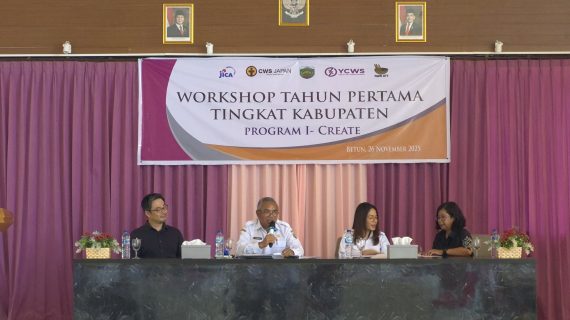
Running alongside the technical sessions, YCWS facilitated a Monitoring, Evaluation, Accountability, and Learning (MEAL) workshop with PMPB. This session reinforced the program’s monitoring systems, documentation standards, and accountability mechanisms, ensuring that evidence and learning from Year 1 are captured effectively to guide Year 2 implementation.
The MEAL workshop also served as a structured reflection space—allowing teams to identify what worked, what needs adjustment, and how program continuity can be strengthened moving forward.
Multi-Stakeholder Collaboration
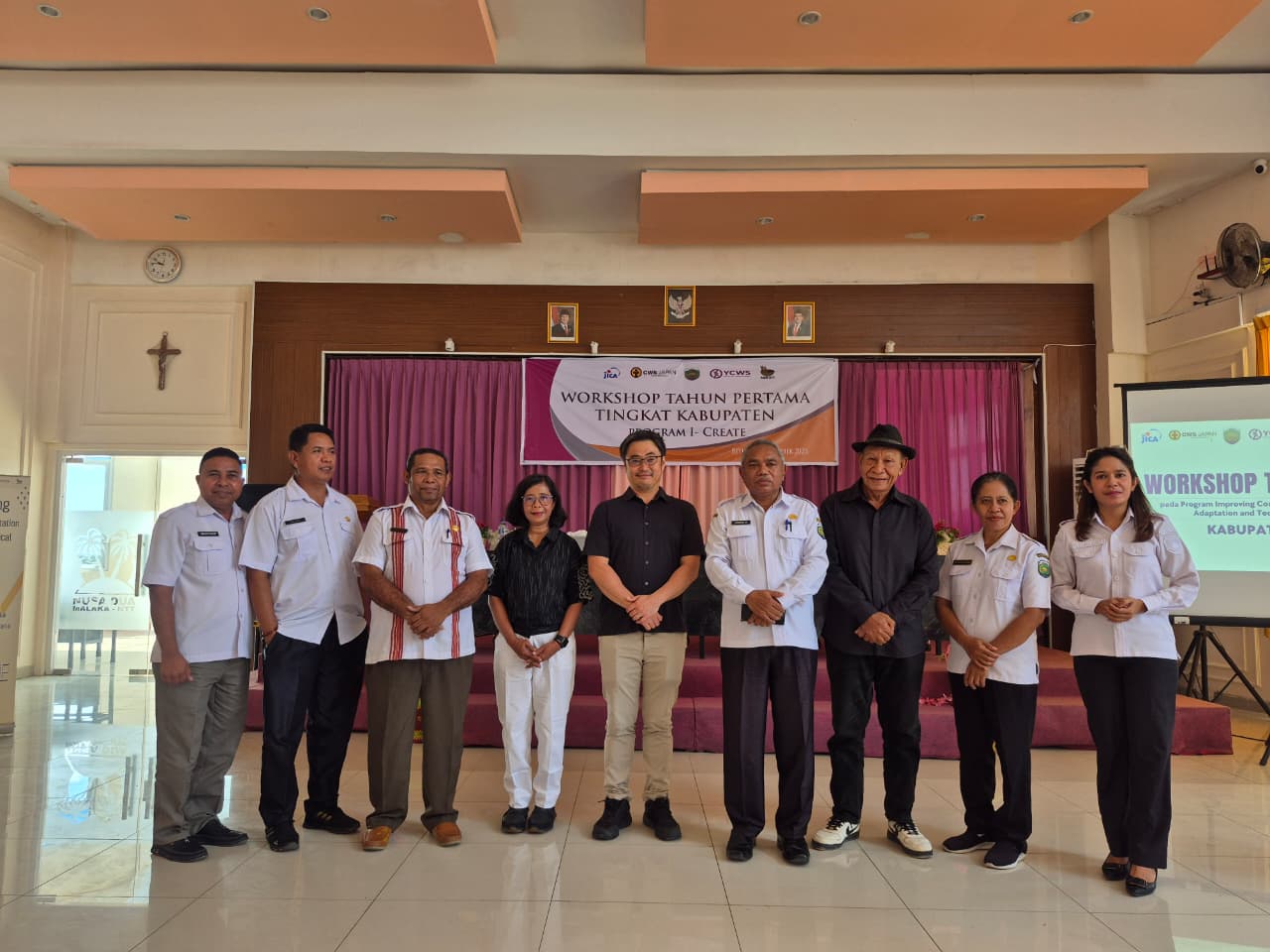
The monitoring visit culminated in a project defined “pre-Musrenbang kabupaten”—a consolidation meeting held prior to the formal Musrenbang or district-level development planning consultation workshop—that brought together approximately 80 participants representing local government agencies (OPDs) and community organizations across Malaka Regency.
Following presentations from the Malaka Planning, Research and Innovation Agency (BAPPERIDA Malaka), PMPB, and CWSJ, participants engaged in focused discussions to align disaster risk reduction priorities with local development planning cycles. This integration is essential for ensuring that community resilience becomes embedded in formal government planning, not treated as a standalone project.
Key Observations and Outcomes
Overall, towards the end of Year 1 implementation, I-CREATE project has shown positive results and response from its relevant stakeholders. Initial insight from recent monitoring visit suggest that technical skill transfer is progressing well, particularly in the practical components.
During the pole measurement and cross-section training, Vinnie, one of PMPB staff, shared that they learned a lot of detailed things through the field practice, not only by theory. She expressed appreciation for the depth of learning and hopes that these skills will later support risk identification and mitigation together with the village FPRB teams.
Stakeholder engagement throughout Year 1 has also been positively received. The Secretary of Malaka Regency, Ferdinand Un Muti, referred I-CREATE as a “positive collaboration”, encouraging OPDs to apply workshop learnings to strengthen regional disaster preparedness.