How CLEAR Program Builds Flood-Resilient Communities in Makassar

How CLEAR Program Builds Flood-Resilient Communities in Makassar

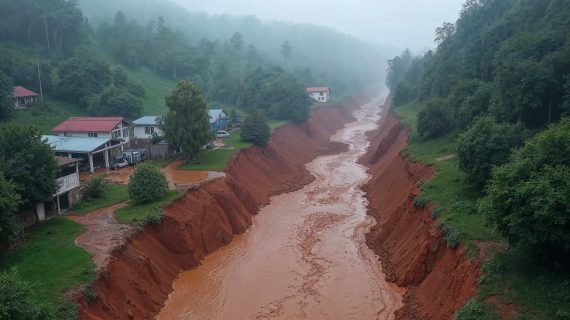
In Makassar, South Sulawesi, the impacts of climate change are no longer distant concerns but lived realities. Recurrent flooding continues to disrupt livelihoods, strain public services, and place vulnerable households at risk. 

In late September 2025, something significant took place in four flood-prone urban villages in Makassar: Katimbang, Tamangapa, Paccerakkang, and Manggala. Community members, disaster response agencies, military representatives, and local government officials came together not to respond to an actual flood, but to prepare for one. 

These comprehensive preparedness simulations marked a critical milestone in the Community Led Early Action and Resilience (CLEAR) Program, implemented by Yayasan Cita Wadah Swadaya (YCWS) in partnership with Yayasan INANTA and supported by Act for Peace Australia. 

Launched in July 2023, CLEAR is a three-year initiative targeting communities most exposed to recurrent flooding. With 3,412 direct beneficiaries and approximately 34,245 indirect beneficiaries across four sub-districts, CLEAR goes beyond traditional disaster response.  

It empowers communities to assess their own climate vulnerabilities, implement anticipatory actions before disasters strike, and access alternative livelihoods to reduce displacement risks. 

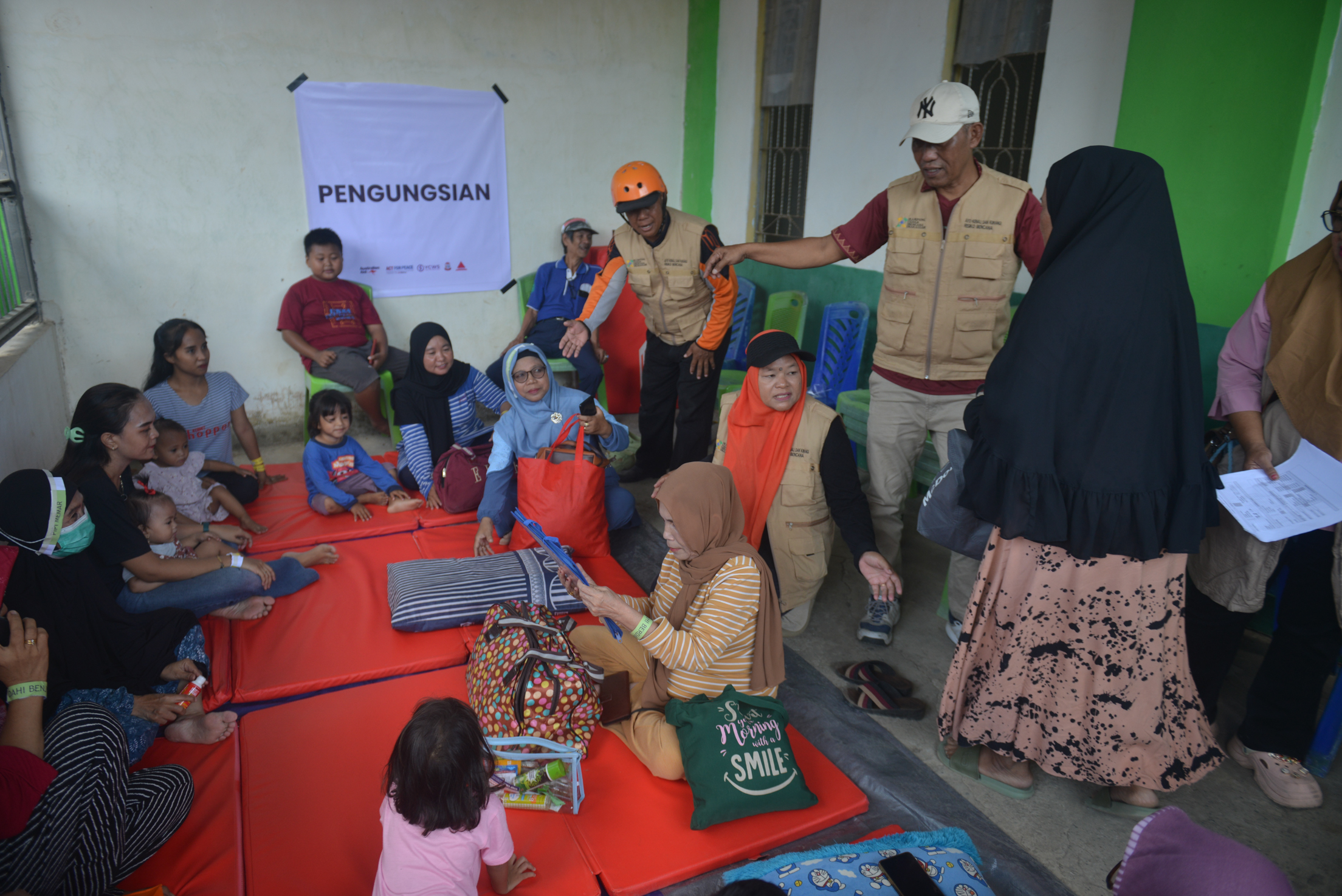
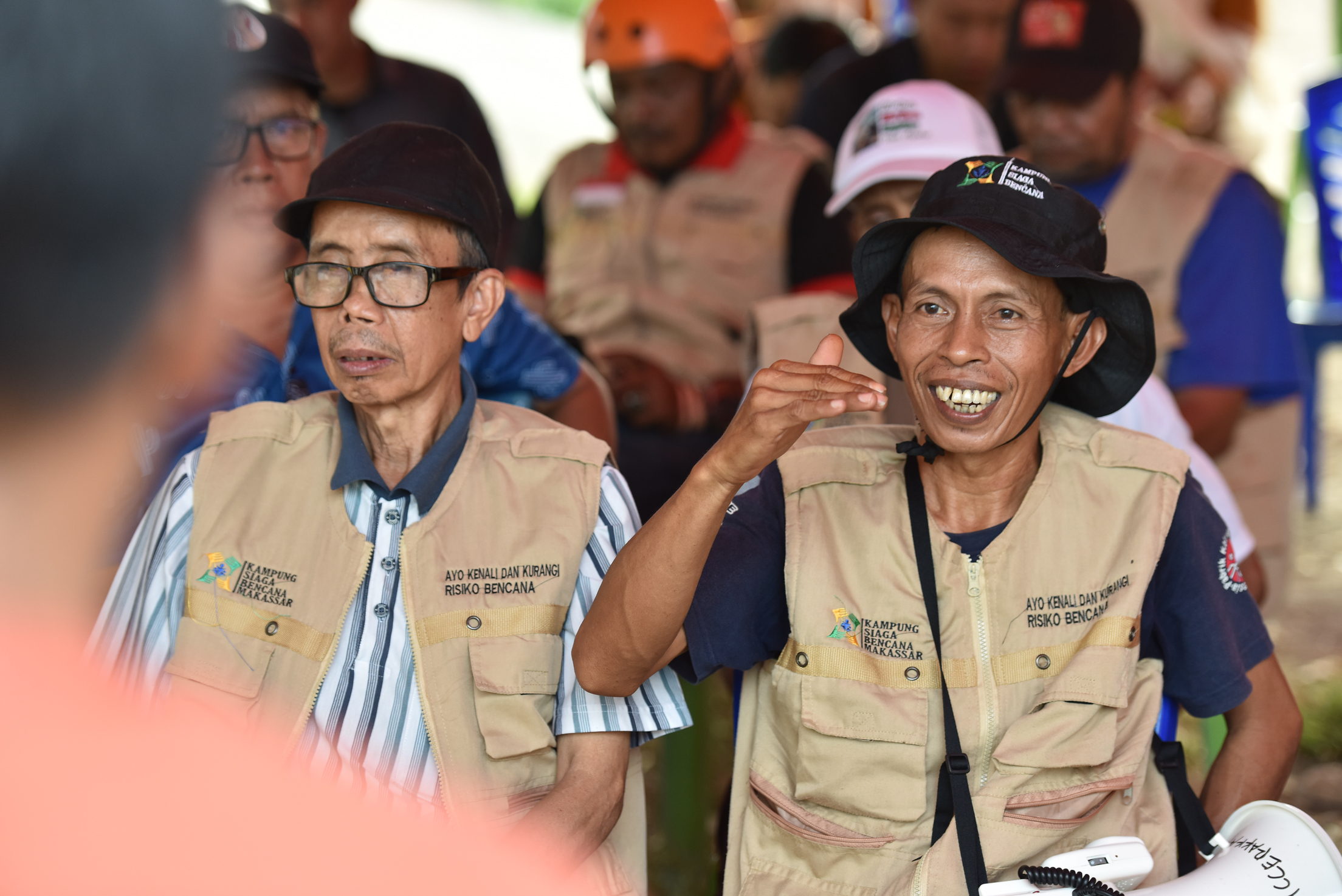
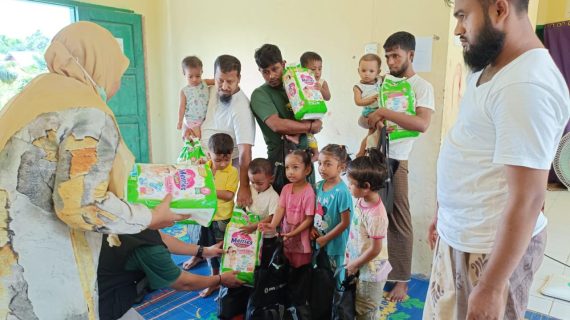
Community members gather in an evacuation center during the CLEAR Program’s flood preparedness simulation. Dok/YCWS.

The Three-Step Flood Simulations 

The flood simulations followed a rigorous methodology proven to strengthen disaster readiness. First, groundwork. This means YCWS teams collaborated with communities and local governments to develop realistic flood scenarios, assign roles, and prepare equipment tailored to local contexts.  

Second, execution. In this extent, participants activated early warning systems, evacuated residents to designated shelters, established emergency response posts, and delivered first aid and logistical support under conditions mirroring real emergencies.  

Finally, evaluation which is refer to together with the Regional Disaster Management Agency (BPBD) and village governments, teams assessed coordination effectiveness, identified gaps, and refined contingency plans to ensure vulnerable members, including persons with disabilities and diverse gender identities, received appropriate assistance. 

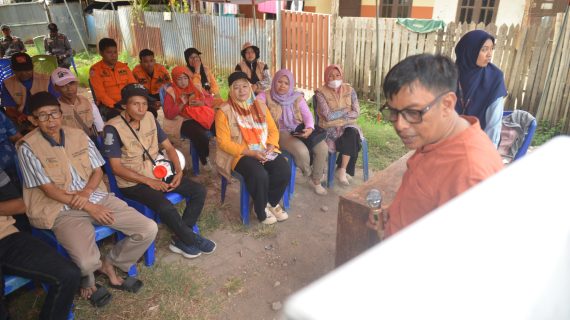
Community volunteers join a flood simulation under the YCWS CLEAR program in Makassar. Dok/YCWS.

Tangible Impact 

The results were significant. Communities gained clearer understanding of evacuation routes and self-rescue measures. Meanwhile, coordination between village authorities and technical agencies strengthened significantly.  

Beyond simulations, CLEAR has supported also the establishment and continued strengthening of Kampung Siaga Bencana (KSB) teams across four villages.  

The program has also helped develop key disaster management documents, such as risk assessments, action plans, and contingency plans, aligned with village-level strategies for flood mitigation.  

One of CLEAR’s key innovations is the piloting of Anticipatory Action, including early action protocols and fund-disbursement mechanisms that enable interventions before floods occur. 

YCWS Responds to Humanitarian Crisis After Hydrometeorological Disaster in Sumatra

YCWS Responds to Humanitarian Crisis After Hydrometeorological Disaster in Sumatra

Yayasan Cita Wadah Swadaya (YCWS) is mobilising humanitarian assistance for communities affected by flash floods and landslides across three provinces in Sumatra, triggered by Tropical Cyclone Senyar. The disaster, which evolved from cyclone seed 95B in the Malacca Strait from 21 November, has caused at least 84 deaths and displaced tens of thousands of people.

According to the YCWS Situation Report of 27 November 2025, the scale and impact of the prolonged extreme rainfall in Aceh, North Sumatra, and West Sumatra are deeply concerning:

  •  North Sumatra: 47 fatalities; around 3,000 people affected.
  • Aceh: 17,352 households (59,947 people) affected; 3,007 households displaced; 22 fatalities.
  • West Sumatra: 27,433 people affected; 15 fatalities; 4,500 houses damaged.

Beyond the loss of life, critical infrastructure has been severely disrupted. Landslides have cut off road access, electricity has been interrupted, and communication networks have been damaged, leaving some areas completely isolated.

YCWS’s Initial Response

YCWS is responding in Aceh through local partner Yayasan Geutanyoe, providing immediate life-saving assistance to affected families. Together with our partners and networks, we are also conducting a joint needs assessment on the ground to guide further support for communities across Sumatra.

“We will continue coordinating with BPBD, BNPB, and humanitarian networks such as Humanitarian Forum Indonesia and ACT Indonesia Forum,” said YCWS Executive Director Dino Satria.

Urgent Needs

Based on current assessments, immediate priority needs include:

  • Temporary shelter (tents and basic shelter materials)
  • Ready-to-eat food
  • Clean water and water containers
  • Hygiene kits and menstrual hygiene supplies
  • Emergency sanitation facilities
  • Psychosocial support for children, women, and other vulnerable groups

Call to Action

The hydrometeorological disaster in Sumatra is another reminder of the urgent need for preparedness, climate-resilient communities, and stronger cooperation among government, civil society, faith-based groups, and the public.

YCWS invites individuals, congregations, organisations, and private sector partners to take part in this humanitarian mission.

“Every contribution represents hope for those who are now struggling with loss and limited resources.”

For more information or to contribute to this response, please contact YCWS at citawadahswadaya@ycws.org or visit ycws.org.

From Legacy to Local Leadership

From Legacy to Local Leadership

In August 2024, after more than six decades of humanitarian work in Indonesia, Church World Service’s presence transformed into something new: Yayasan Cita Wadah Swadaya (YCWS), an Indonesian, faith-based foundation built on inherited trust and long-standing partnerships.

At YCWS, we did not start from zero. As an Indonesian foundation, we stand on more than sixty years of credibility earned alongside refugees, communities hit by disasters, and villages on the frontline of the climate crisis. That inheritance is now our mandate: we are here to ensure that humanitarian work in Indonesia is led, owned, and sustained by Indonesians themselves.

As a faith-based foundation, we express our faith through action: standing with people in their hardest moments and protecting their dignity. From this commitment flow three interconnected areas of work:

  • Refugee Protection
  • Disaster Preparedness & Response
  • Climate Resilience

In our first year as YCWS, we walked alongside more than 1,350 people across three provinces. At the centre of this work is refugee protection. Our teams provided 430+ health consultations – including HIV services and mental health support – and supported 233 refugees and asylum seekers with safe accommodation and ongoing case management. We also delivered cash assistance to 785 people, helping families cover urgent needs with dignity. For nearly 100 women and girls at risk, this support meant protection, specialised counselling, and concrete pathways toward greater safety and independence.

Beyond refugee protection, we worked with communities not only to respond to crises, but to prepare for them. In Makassar, community-led teams coordinated flood evacuations, ran public kitchens, and worked side by side with city authorities during emergencies. In East Nusa Tenggara, we launched I-CREATE, a three-year initiative to strengthen early warning systems in 13 flood-prone villages. Along the way, 452 residents joined climate awareness sessions and 102 village leaders helped shape local resilience action plans that they themselves will drive forward.

Humanitarian action is changing it must localise and return real power to communities. YCWS is where a long-standing legacy becomes a local mandate.

Nearly One Thousand People Evacuated as YCWS Monitors Mount Semeru Eruption

Nearly One Thousand People Evacuated as YCWS Monitors Mount Semeru Eruption

Yayasan Cita Wadah Swadaya (YCWS) expresses its deep concern over the eruption of Mount Semeru, which has severely affected communities in Lumajang Regency, East Java. According to field reports, approximately 956 residents have evacuated to several designated safe locations, and the number is expected to continue rising as data collection progresses.

On Wednesday (19 November), Mount Semeru’s volcanic activity escalated sharply. A loud explosion was heard at around 16:00 local time, followed by a towering column of volcanic ash rising to 2,000 meters above the summit. The ash drifted toward the northern and northwestern slopes, blanketing villages surrounding the highest volcano on the island of Java.

Seismic instruments recorded 118 eruption quakes, a pyroclastic flow signal, and 30 avalanche quakes. A sustained tremor with a maximum amplitude of 40 mm lasted for 16 minutes—an indication of a strong eruptive episode.

Within one hour, the Centre for Volcanology and Geological Hazard Mitigation (PVMBG) elevated Semeru’s alert level from Level III (“Siaga”) to Level IV (“Awas”), the highest alert status in Indonesia’s volcano monitoring system.

The National Disaster Management Agency’s (BNPB) Emergency Operations Center (Pusdalops) reported that three villages were among the most affected: Supit Urang and Oro-Oro Ombo in Pronojiwo Sub-district, and Penanggal in Candipuro Sub-district.

Meanwhile, the Lumajang Regency Government has declared a seven-day Emergency Response Status, effective from 19 to 25 November 2025. Authorities have also enforced an exclusion zone of 8 kilometres from the crater to protect residents from potential hazards such as rock ejection and rain-triggered lava flows.

Six evacuation sites have been prepared across Pronojiwo and Candipuro. These include SD 04 Supiturang hosting around 100 evacuees, SD Sumberurip 02 with approximately 200 people, and Masjid Ar-Rahmah which currently accommodates up to 500 residents.

The Regional Disaster Management Agency (BPBD) is leading the ground response, distributing food and non-food assistance while conducting assessments at evacuation centres.

For YCWS, this disaster is not merely a volcanic eruption—it is a chain of impacts that challenges the resilience of families and communities, particularly children, the elderly, and other vulnerable groups.

During this emergency phase, YCWS underscores the importance of rapid and targeted assistance. Immediate needs include masks to protect against volcanic ash, sleeping mats for evacuees in temporary shelters, and ready-to-eat meals for displaced families.

YCWS also reaffirmed its commitment to monitor developments closely and strengthen coordination with humanitarian networks such as the Humanitarian Forum Indonesia (HFI), ACT Indonesia Forum, and other organizations already operating in the field.

Amid the uncertainty, YCWS calls on the broader public to uphold solidarity. “What matters most right now is ensuring people’s safety. We remain committed to supporting ongoing humanitarian efforts in the affected areas,” the YCWS team stated.

As of this writing, Mount Semeru’s volcanic activity continues to be closely monitored, while nearby airports remain operational despite the issuance of an orange VONA (Volcano Observatory Notice for Aviation) alert.

Small Homes, Big Safety: How Community Care Helps Refugee Children Rebuild in Indonesia

Small Homes, Big Safety: How Community Care Helps Refugee Children Rebuild in Indonesia

Across Indonesia’s vast chain of islands, more than 11,700 refugees and asylum seekers are trying to rebuild their lives far from home. Nearly one-third of them are children. Some made the journey alone, while others were separated from their families along the way. Many arrive exhausted, carrying experiences far too heavy for someone their age.

In a country that isn’t part of the 1951 Refugee Convention, their safety depends on a mix of local laws, international support, and organizations that believe every child deserves protection.

At Yayasan Cita Wadah Swadaya (YCWS), that belief guides everything we do. YCWS supports unaccompanied and separated children through the Supported Independent Living Care Arrangement (SILCA). It’s a quietly transformative model, and built not around institutions, but around people.

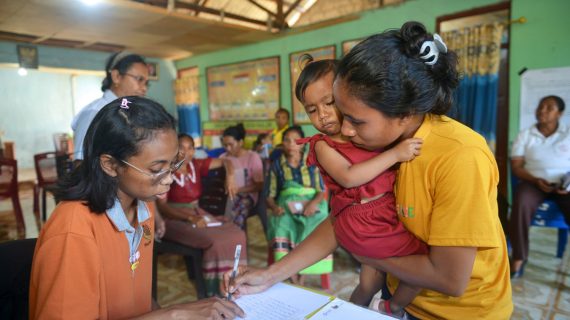
Through SILCA, children live with trained guardians or foster parents in simple rented homes across Jakarta, South Tangerang, and Bogor. These aren’t large shelters or group centres. They’re small, everyday homes where a child can begin to feel a sense of normal life again. Weekly safety visits, case management, access to school, vocational training, healthcare, and psychosocial support from the program’s foundation.

But often, it’s the small human moments that matter most: a guardian helping with homework in a language neither fully shares, a foster parent showing how to shop at the local market, a case worker listening when an old memory suddenly surfaces. Indonesia faces real protection challenges.

Meanwhile, more than 400 unaccompanied or separated children are registered with UNHCR, and many more are vulnerable due to displacement, long waiting periods, and the emotional toll of uncertainty. Refugees cannot legally work, which strains families and affects children’s stability.

Access to national education remains limited. Only 769 refugee children attend accredited schools out of thousands who qualify. In Aceh and North Sumatra, Rohingya arrivals in recent years have encountered community tension, overcrowded shelters, and rising protection risks.

Amid these challenges, SILCA offers a small but meaningful path to dignity. It helps children grow within a community instead of being pushed to its edges. It allows them to slowly recover the rhythms of childhood—learning, socializing, making mistakes, trying again.

And it strengthens the community around them by involving Indonesian neighbors, refugee volunteers, and local authorities in their daily protection. Rebuilding childhood after displacement is never simple. But each time a child begins to feel truly safe again, something changes. They start to imagine their future.

They begin to dream in ways that once felt impossible. At those moments, YCWS is reminded why this work matters, and why community-based care remains one of the strongest tools we have.

YCWS and Civil Society Network Call for Stronger Protection for Refugees

YCWS and Civil Society Network Call for Stronger Protection for Refugees


The recent sinking of a boat carrying 70 Rohingya refugees near Malaysian waters is yet another reminder of how the region continues to fall short in protecting people fleeing humanitarian crises. Yayasan Cita Wadah Swadaya (YCWS), together with the Civil Society Network on Refugee and Asylum Seeker Issues in Indonesia, expresses deep concern and sympathy for the victims and calls for shared responsibility to strengthen refugee protection.

According to reports, the boat sank near the maritime border between Malaysia and Thailand shortly after departing from Rakhine State, Myanmar. At least 21 people have been confirmed dead, 13 survivors have been rescued, and dozens remain missing. Search and rescue teams continue to comb a wide area around Ko Tarutao, north of Langkawi Island, Malaysia.

Authorities believe that this incident is part of a larger movement involving as many as 300 people traveling on multiple boats. The tragedy underscores the ongoing humanitarian crisis faced by Rohingya communities—and how dangerous sea routes have increasingly become their only available option.

This tragedy is far from isolated. Over the past year, more than 5,300 Rohingya refugees have attempted to leave Bangladesh and Myanmar by sea, with at least 600 reported missing or dead. Many of them are women and children, who remain the most exposed to violence, exploitation, and severe neglect during these journeys.

Indonesia is no stranger to such heartbreak. In March 2024, a boat capsized off the coast of West Aceh, killing 67 people, including 27 children. According to UNHCR, more than 1,000 Rohingya refugees are believed to have died or gone missing at sea between 2023 and 2024. Survivors often recount harrowing experiences of abuse, exploitation, and severe deprivation while at sea. Yet many continue their journeys—driven by fear, uncertainty, and the lack of any safe alternatives.

Many Rohingya families take these risks because they simply have no other choice. Conflict in Myanmar remains unresolved, refugee camps in Bangladesh are overcrowded and increasingly restrictive, and safe pathways are nearly non-existent. For many, the dangerous sea becomes a desperate last resort.

The civil society network urges governments in the region to share responsibility. Countries must strengthen cooperation, ensure non-discriminatory search-and-rescue operations, and establish safe, legal, and dignified pathways for those seeking protection. At the same time, resolving the political crisis in Myanmar is essential and cannot be delayed.

Without collective action, refugees will continue to risk their lives on perilous sea journeys—seeking nothing more than safety and hope.

Civil Society Network on Refugee and Asylum Seeker Issues in Indonesia:

  1. Perkumpulan Suaka untuk Perlindungan Hak Pengungsi (SUAKA)
  2. Asia Justice and Rights (AJAR)
  3. Jesuit Refugee Service Indonesia (JRS Indonesia)
  4. MER-C (Medical Emergency Rescue Committee)
  5. Yayasan Kesehatan Perempuan (YKP)
  6. Yayasan Kemanusiaan Madani Indonesia (YKMI)
  7. Yayasan Cita Wadah Swadaya (YCWS)
  8. Dompet Dhuafa
  9. Yayasan Geutanyoe
  10. KontraS Aceh
  11. Human Rights Working Group (HRWG)
YCWS Participation in Regional Peer Learning Workshop in Malaysia

YCWS Participation in Regional Peer Learning Workshop in Malaysia

Kuala Lumpur, 1 May 2025 – Yayasan Cita Wadah Swadaya (YCWS) participated in the ASEAN Regional Peer workshop entitled “Journey of Nam Workshop: Navigating Safe Migration Pathways for Children in ASEAN,” held in Kuala Lumpur, Malaysia, from 29 April to 1 May 2025. This practice-driven, peer-led workshop was designed exclusively for frontline practitioners working directly with refugee and migrant children across Southeast Asia. It was organized by Asia Family First and Host International Foundation Malaysia.

The workshop was held in response to growing concerns about child migration in the ASEAN region. A recent UNICEF analysis highlighted that, as of 2020, the region was home to 1.3 million international child migrants, over half of whom (approximately 700,000) were refugees, primarily displaced by conflict and violence.

During the workshop, YCWS shared its experience supporting refugees—particularly Unaccompanied and Separated Children (UASC) and Women and Girls at Risk (WaGAR)—through the transition from Group-Home to Supported Independent Care Arrangement (SILCA), as part of efforts to promote refugee self-reliance.

The three-day workshop proved valuable for exchanging knowledge and good practices among practitioners in the region, especially on effective interventions for children in the context of migration. Despite the adoption of the ASEAN Declaration on the Rights of Children in the Context of Migration (CCoM) and the development of the 2019 Regional Plan of Action on CCoM, implementation remains inconsistent across ASEAN Member States.

Key takeaways from the workshop include:

  1. Continued use of child detention remains a critical concern in the region.
  2. Birth registration for undocumented migrant children is still a major gap.
  3. Online child sexual exploitation and abuse poses increasing risks to migrant and refugee children.

Given the rich insights and experiences shared by the speakers, YCWS sees opportunities to further collaborate and expand its regional network, particularly to strengthen its efforts in supporting refugee children and women and girls at risk.

#Together for Resilience #Strengthen, Build, Empower #YCWS#ASEAN

Yayasan Cita Wadah Swadaya Strengthens Partnership with the Communion of Churches in Indonesia

Yayasan Cita Wadah Swadaya Strengthens Partnership with the Communion of Churches in Indonesia

Yayasan Cita Wadah Swadaya Strengthens Partnership with the Communion of Churches in Indonesia

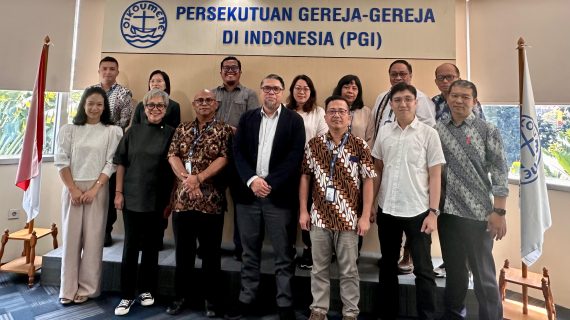
On May 5 2025, Yayasan Cita Wadah Swadaya (YCWS) has the pleasure of meeting with Rev. Darwin Darmawan, the newly elected Secretary General of the Communion of Churches in Indonesia (PGI) along with other members of his leadership team.

Although Rev. Darmawan and his team were selected in December last year, this meeting is the first opportunity for YCWS to meet him in person. YCWS expressed gratitude for the warm welcome they received during this important meeting.

The discussion centered on strengthening collaboration between the two organizations in key areas: Disaster risk reduction, Climate resilience and Humanitarian response Both organizations reaffirmed their commitment to building stronger solidarity networks and enhancing their service capacity across Indonesia. “We value our longstanding partnership with PGI and look forward to working closely with Rev. Darmawan’s leadership team on initiatives that will benefit vulnerable communities throughout Indonesia,” said Dino Satria, YCWS Executive Director.

This renewed partnership comes at a critical time as communities across Indonesia face increasing challenges affected by climate change.

*The Communion of Churches in Indonesia (Persekutuan Gereja-gereja di Indonesia) is an ecumenical organization representing 105 member churches and 30 PGI regions across Indonesia.

#YCWS #PGI #Partnership #HumanitarianResponse #DisasterRiskReduction #ClimateResilience

YCWS member of ADRNN (Asian Disaster Reduction and Response Network)

YCWS member of ADRNN (Asian Disaster Reduction and Response Network)

YCWS member of ADRNN (Asian Disaster Reduction and Response Network),we are thrilled to share a great news that we now become a member of ADRNN (Asian Disaster Reduction and Response Network), a network of civil society organizations working on the issues of humanitarian, Development, Peace-Building, Climate Adaptation and Disaster Risk Reduction across Asia.

About ADRRN

Born in 2002 at a meeting of Asian CSOs in Kobe, Japan, ADRRN has rapidly evolved with
reaching across 21 countries from an awareness-raising network to a prominent regional voice in advocacy and capacity building. Today it is known as the ‘Civil Society Voice of Asia’.

ADRRN exemplifies the able spirit of southern leadership, the effectiveness of regional collaboration and the power of civil society. It puts local people at the centre of its work

Ali’s Journey: Reconnecting with Art through Animation

Ali’s Journey: Reconnecting with Art through Animation

Ali, a 26-year-old refugee from Afghanistan, has been living in Indonesia for the past decade. Back in his home country, Ali was a painter and owned an art gallery, a passion he had nurtured since childhood. His work had even garnered media attention, giving him a sense of pride and fulfillment. But after fleeing Afghanistan, Ali found himself in a new place, far from his family, and struggling with the uncertainties of life as a refugee. The artistic spark that once defined him seemed to dim as he searched for a way to reclaim that sense of purpose.

One day, Ali heard about an opportunity to participate in the “Animation for Humanity” project, a collaboration between CWS Indonesia and Japan. Although animation was different from the canvas work he was used to, Ali saw it as a chance to reconnect with his creative spirit. Eager to learn and adapt, he joined the project, ready to explore this new medium.

The transition wasn’t easy. Ali faced numerous challenges, starting with unfamiliar design tools. The digital aspect of animation was foreign to him, and it took time to adjust. Additionally, the journey to the workstation was long and tiring, sometimes taking up to three hours by public transportation. But despite these obstacles, Ali found joy in the process. The animation work offered more than just a source of income. It became a new way for him to channel his energy and focus on something positive.

Over three months, Ali honed his skills and began collaborating with Launch Box, a Japanese animation studio. Each completed animation cut brought a small sense of accomplishment, reminding him of the satisfaction he once felt as a painter. More importantly, the project helped him cope with the stress and anxiety of his uncertain future. “Mentally, they kept us busy, so we don’t have to think about the future or the past… we don’t have to stress all the time… in a positive way,” Ali reflected.

Looking ahead, Ali plans to continue exploring opportunities in the animation industry, staying connected with his passion for art. The “Animation for Humanity” project has given him a new outlet for his creativity and a renewed sense of purpose, helping him navigate the challenges of life as a refugee with resilience and hope.

Get in Touch!

Social Media

Join Us

Contact Us

© Copyright Yayasan Cita Wadah Swadaya. All Right Reserved