An anniversary reflection from Dino Satria, Executive Director
Dear friends, colleagues, and partners,
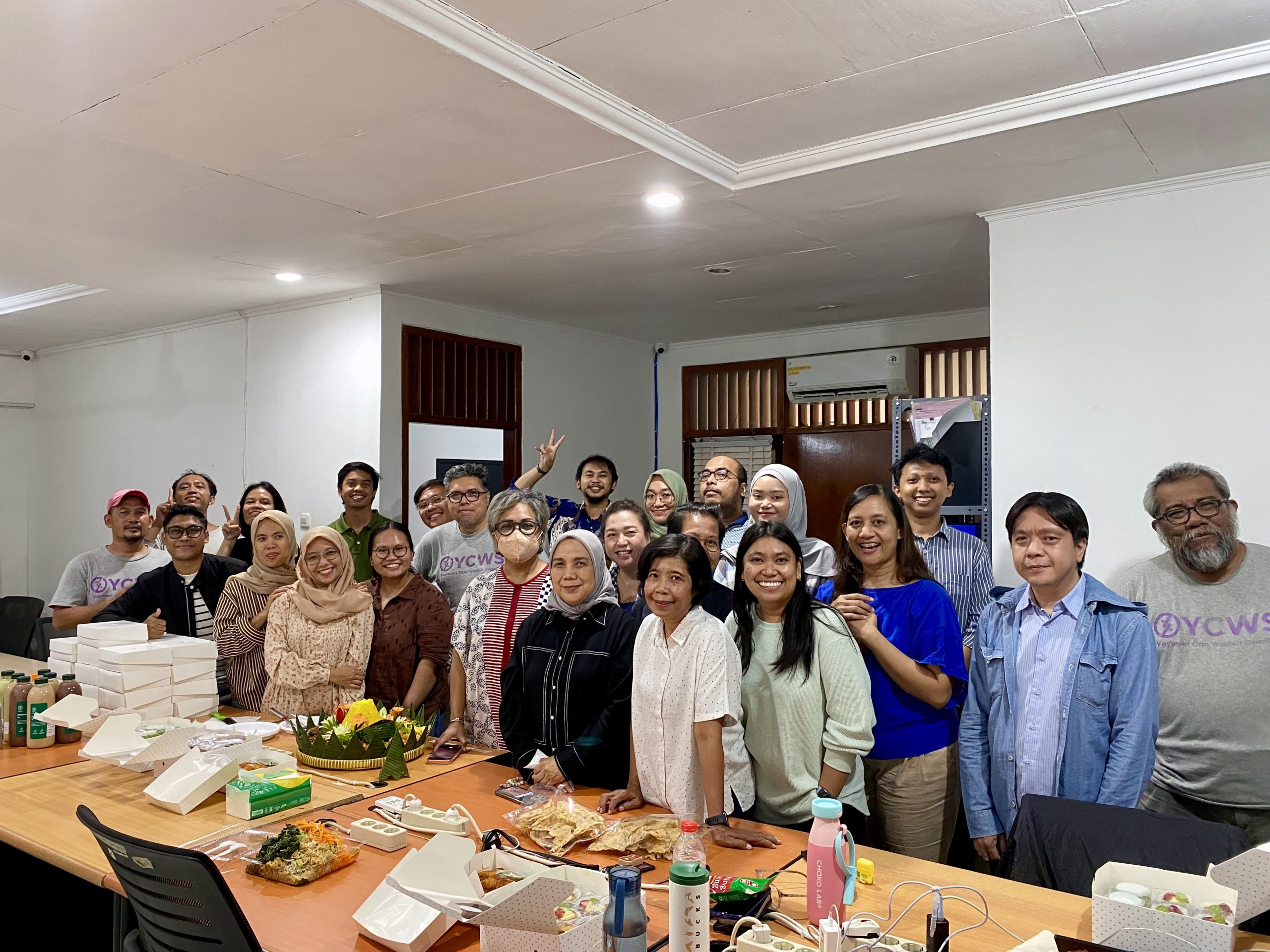
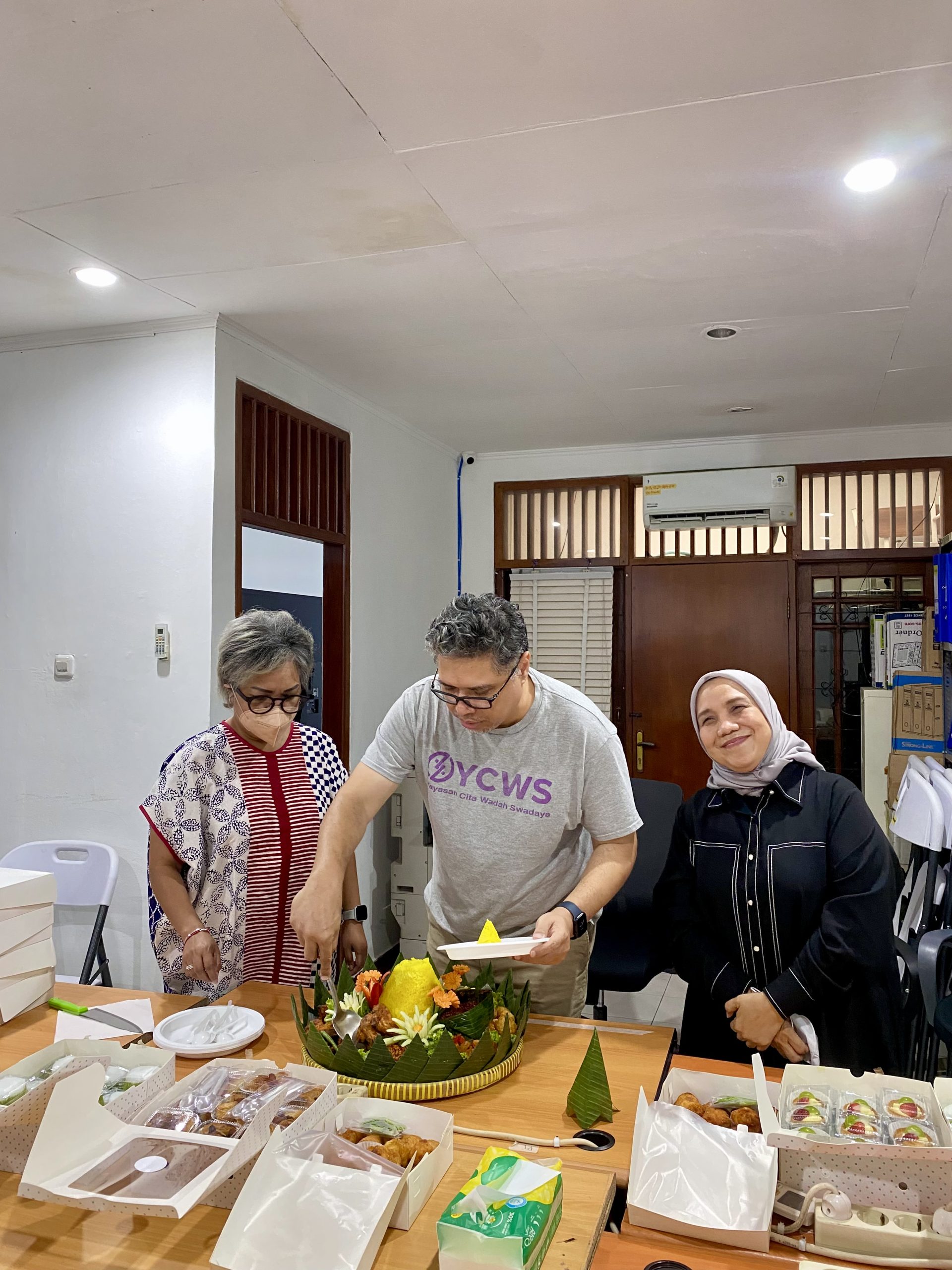
YCWS was legally established in August 2024, and we began our full operations on 15 September 2024. That is the date we now mark as our anniversary.
When we started operating as YCWS, we knew we were not starting from zero.
We carried forward decades of experience, relationships, and lessons from Church World Service’s work in Indonesia. That history remains an important part of who we are today, and our relationship with CWS has continued as YCWS has grown into an independent Indonesian organization.
But becoming YCWS also brought a different kind of responsibility.
We had to take greater ownership of our direction, our decisions, our partnerships, and the kind of organization we wanted YCWS to become.
Looking back after two years, I think much of our journey has been about exactly that: not only continuing humanitarian programs, but building the organization behind them.
For me, being locally led is less about a label and more about how we work every day. It means understanding the situation before making decisions, making sure the people closest to the issue are part of those decisions, and thinking about what remains when a project ends.
That has become an important way for me to think about our work.
Understanding Before Deciding
Over the past two years, YCWS has worked with very different communities and in very different settings.
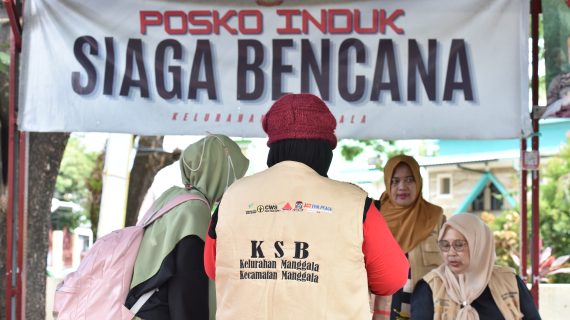
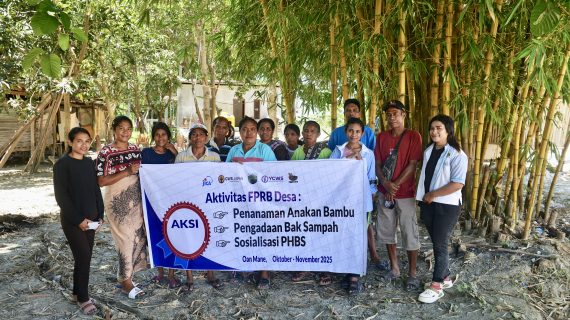
In Makassar, through CLEAR, communities in flood prone areas worked to better understand the risks they face and what could be done before flooding happens.
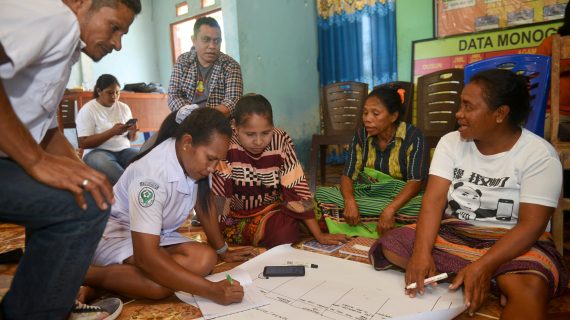
In Malaka, communities across 13 villages have been strengthening disaster preparedness and early warning through I-CREATE.
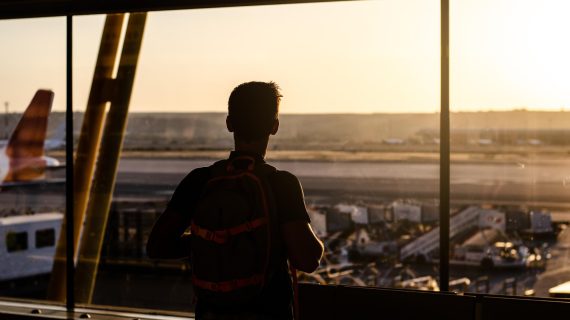
And through our refugee programs, we continue to work alongside refugees and asylum seekers who have lived with uncertainty in Indonesia for many years.
The situations are very different, but they keep reminding us of the same thing: people living with a problem know things we do not.
Communities know which areas flood first, how information moves, whom people trust, and what gets in the way when they try to act.
Refugees understand their own concerns and priorities far better than we ever could from the outside.
Our role is not to arrive with all the answers.
It is to understand what people are facing, bring what we can contribute, and work together on something that makes sense in that particular context.
Relationships Matter
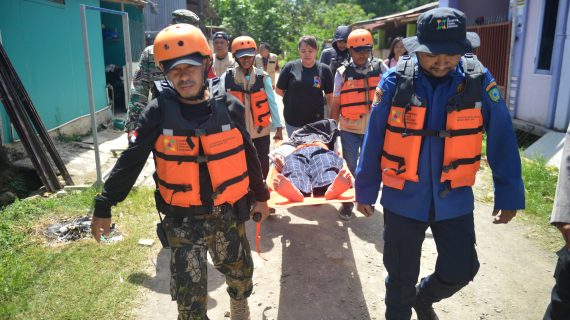
Our experience responding to emergencies has reinforced another lesson: relationships matter.
When something happens, there is pressure to move quickly. Assessments begin, information has to be shared, coordination starts, and decisions about assistance need to be made.
But being ready to respond is not only about having funding or a response plan.
It is also about knowing who is already there, who to call, how government and other organizations are responding, and what affected communities are telling us.
Local organizations already carry much of that knowledge and many of those relationships.
This is why I increasingly see preparedness and response as part of the same work. Good response begins long before an emergency. It is built through local knowledge, trusted relationships, and people who know how to work together when something happens.
That is also why partnership matters so much to YCWS.
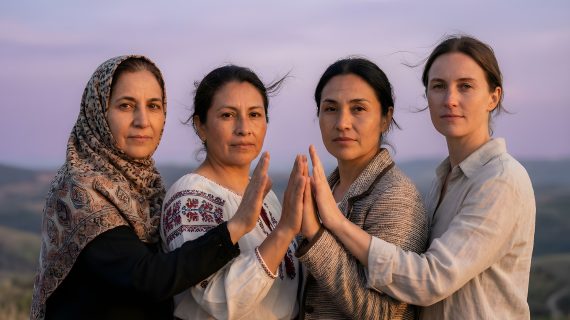
We work alongside Indonesian partners including Yayasan INANTA, Perkumpulan Masyarakat Penanganan Bencana (PMPB), Yayasan Sagu Salempeng, Persekutuan Gereja-gereja di Indonesia (PGI), Yayasan Geutanyoe, and others. We also work with communities, refugee volunteers, government counterparts, faith based organizations, and funding partners.
We are part of wider humanitarian networks, alliances, and communities of practice that give us space to coordinate, learn, and respond together.
A good partnership is not simply about funding or dividing up activities. It means being clear about roles, respecting what each organization brings, being able to disagree when necessary, and finding a way forward together.
I hope YCWS continues to become a good partner, not only an organization that asks others to partner with us.
Building the Organization Behind the Work
When we talk about anniversaries, it is natural to talk about programs, numbers, and achievements.
And there is a lot from these first two years that I am proud of.
We have continued our work with refugees. We have worked with communities on preparedness and resilience. We have responded to emergencies, started new initiatives, developed partnerships, and become more active in humanitarian networks in Indonesia and beyond.
But some of the work I consider most important is much less visible.
It is strengthening our internal systems.
Supporting and developing our staff.
Managing resources responsibly.
Improving safeguarding and accountability.
Taking feedback from communities, partners, and colleagues seriously, and acting on it.
And making sure the way we work reflects the values we talk about.
These things do not usually appear in photographs or anniversary posts, but they are what make an organization dependable over time. They also give us the foundation to take greater responsibility for the work we do and the decisions behind it.
For YCWS, that means building on the experience and relationships that came before us while taking greater responsibility for where we go next.
It does not mean turning away from our history or from our international relationships. It means drawing on that experience, adapting it to our context, making our own decisions, and continuing to build an organization that is rooted in Indonesia while remaining connected to others.
After two years, we have a clearer sense of what we do well, where we still need to improve, and the kind of organization we want YCWS to become.
Looking Ahead
As we enter our third year, I do not think our main goal should simply be to become bigger.
I would rather we become stronger and better at what we do.
I want communities to feel comfortable telling us when something is not working.
I want our partners to feel that working with YCWS is genuinely a partnership.
I want our funding partners to have confidence in how we manage the trust and resources they place in us.
I want our staff to feel that they are not simply working for YCWS, but helping to shape the organization we are becoming.
And when an emergency happens, I want us to be ready because we have invested in the people, systems, and relationships beforehand.
There will be new opportunities and new challenges. But I hope we remain clear about why YCWS exists and whom our work is ultimately for.
With Gratitude
None of these first two years would have been possible without many people and organizations choosing to walk alongside us.
To the communities who have welcomed our teams and shared their experiences with us, thank you for the trust you place in us.
To refugees and community volunteers who contribute their time, knowledge, and energy, thank you for continuing to shape this work with us.
To our Indonesian partners and government counterparts, thank you for the collaboration, the honest conversations, and for challenging us when needed.
To our funding partners, thank you for the trust you have placed in YCWS and for making much of this work possible. Your support has allowed us to continue important programs, respond when emergencies happen, test new approaches, and strengthen the organization behind the work.
To our Board, thank you for your guidance, oversight, and continued support as YCWS has grown through these first two years. Your perspective and trust have helped us navigate important decisions and stay focused on the kind of organization we are trying to build.
To the humanitarian networks, alliances, and communities of practice that we are part of, thank you for the coordination, learning, solidarity, and opportunities to work together, both in Indonesia and beyond.
And to everyone at YCWS, whether working directly with communities and refugees or supporting the work through program quality, finance, operations, HR, communications, administration, and many other roles, thank you.
Building an organization is not always easy. There have been busy periods, difficult decisions, things we have had to fix, and lessons we have had to learn along the way.
But I am proud of the foundation we have started to put in place.
Two years is still early in the life of an organization. There is much more for us to build and improve.
I am grateful to everyone who has helped us get this far, and I look forward to what we can continue to build together in the years ahead.
Dino Satria
Executive Director
Yayasan Cita Wadah Swadaya (YCWS)